Events
„Matrica” Museum
About the Museum
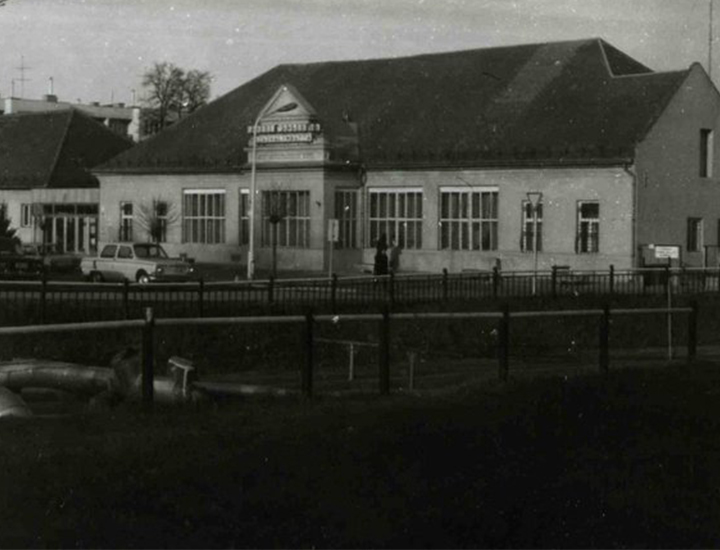
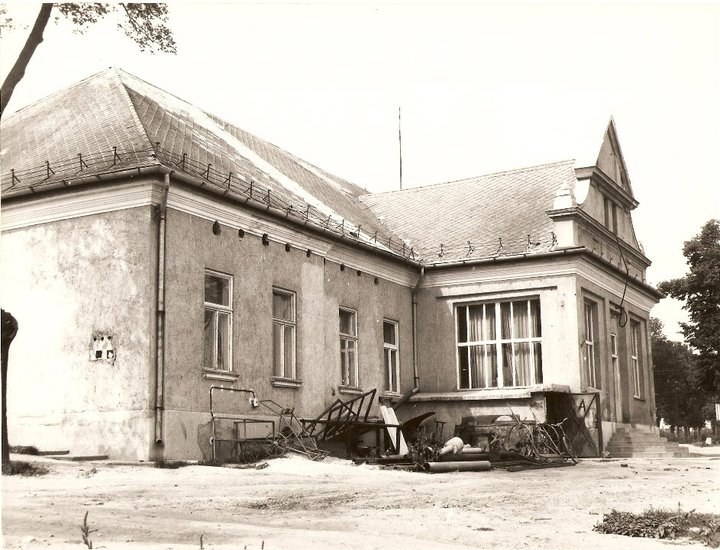
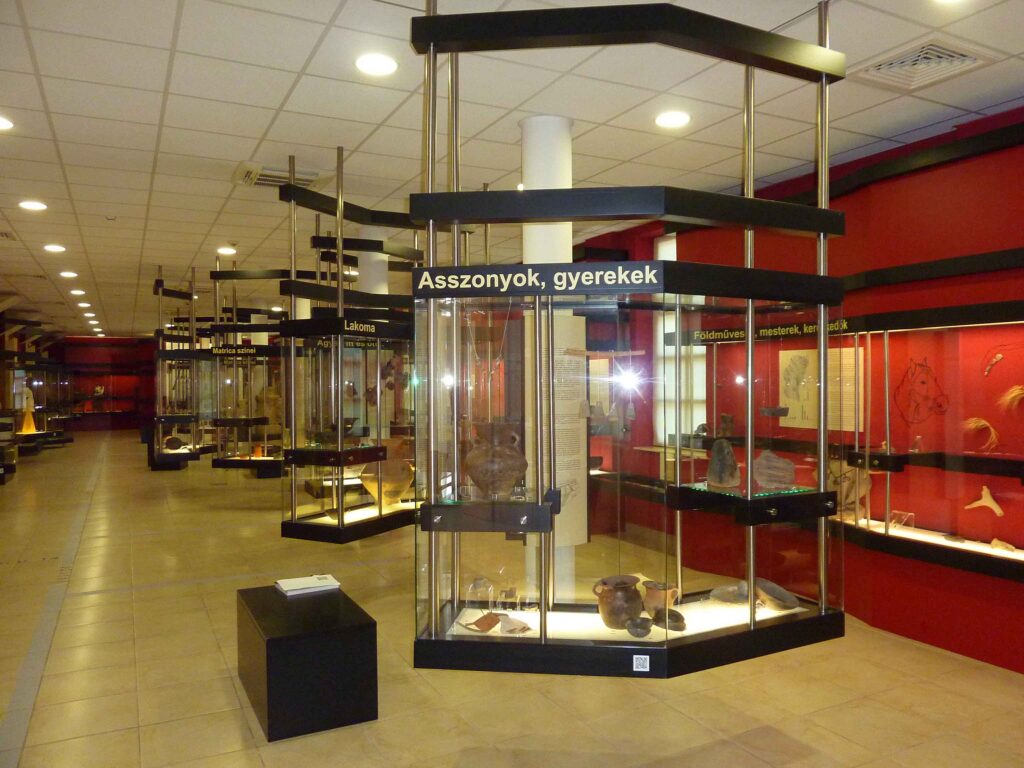
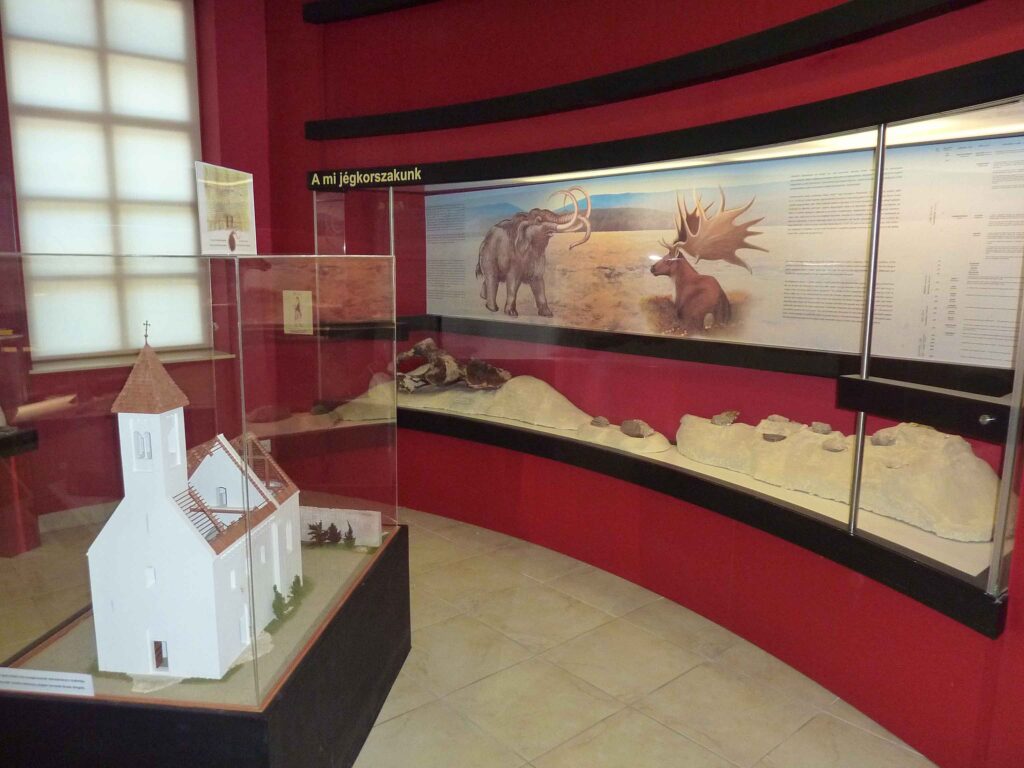
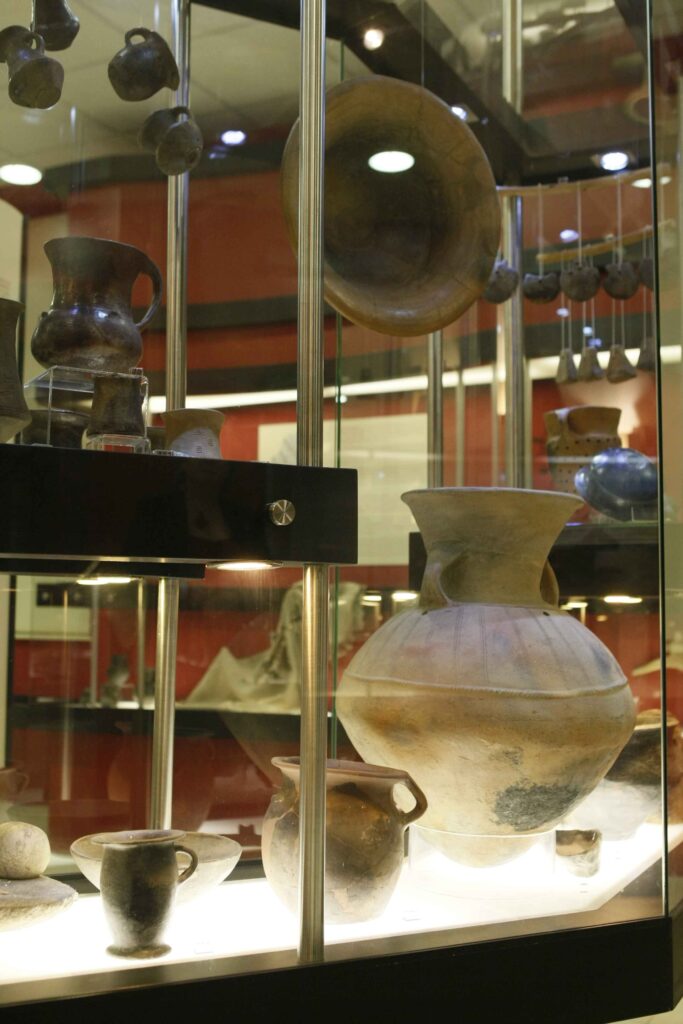
The Museum was named after the Roman settlement of Matrica, previously located at the recent city of Százhalombatta. The Museum was established in a former mansion and it is a museum of local history. History is presented by objects found or gathered locally. The permanent exhibition guides visitors through history, from the Ice Age until the 19th century, in a single undivided space.
Entering the exhibition, a timeline helps to orient ourselves from ancient times to modern times.
People are the main focus of the exhibition, so themes not only follow the traditional historical divisions, but also appear as life-stories. Women and Children, Feast, Camp Life, Field Works, Clean Room, Pantry and much more to explore here.
Az állandó kiállításban interaktív játékokkal egészítjük ki a történelem megismertetését.
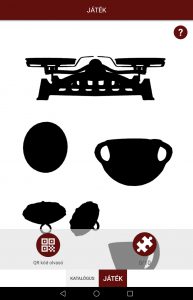
Learning history is aided by interactive games such as assembling a puzzle, shaking a clay rattle, sorting artefacts, comparing cloth’s pins, finding and recognizing objects hidden in the wall...
Tablets are available to our visitors, on which a digital catalogue can be browsed and viewed. Artefacts, which are located in various collections of the Museum and are not visible in the exhibition room in the absence of space, can be discovered here.
We also invite our guests to participate in an exciting treasure hunt through the tablets. Unveiled treasures come alive in 3D when mission is completed. Finding the ‘odd’ objects in the exhibition showcases gains reward! The Museum also awaits visitors as a geocatching point.
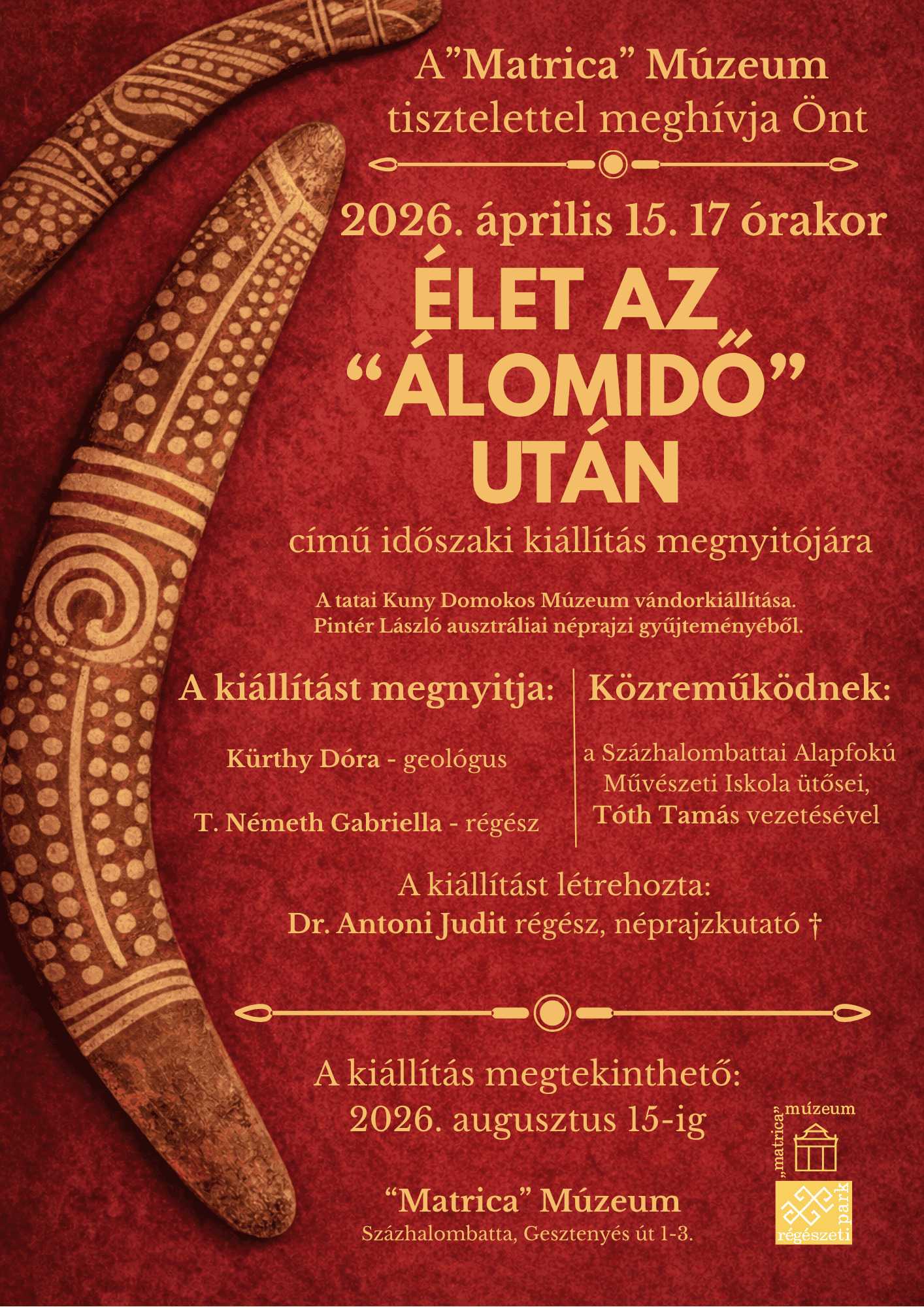
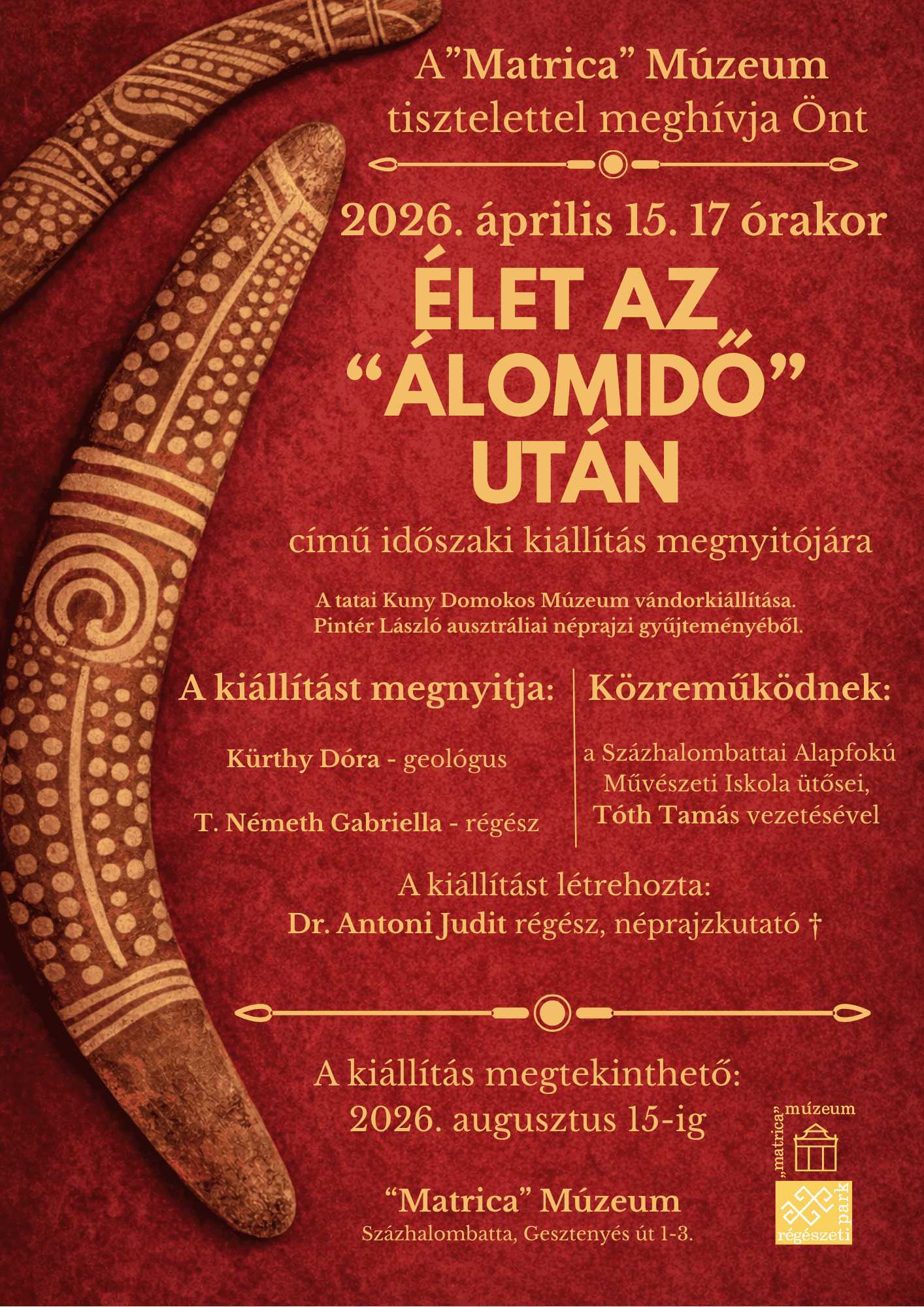
Temporary exhibitions are housed upstairs in the Museum Gallery. We strive to present a variety of topics that are of interest to a wide range of visitors. Our previous exhibitions included Vasarely, 1956 and World War II, puppets, ebola, lighting and clothing history and many more. It is also our privilege to present the works of local artists.
The museum education hall is located on the ground level next to the permanent exhibition. This area is not only used for craft activities, museum pedagogical lessons and activities, but also for performer nights, smaller conferences, political-free forums and mini camps.
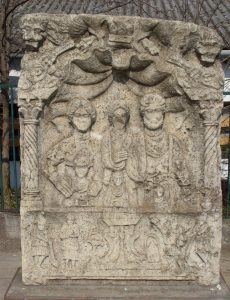
In the museum garden, the stone monuments of the Roman camp of Matrica and its cemetery can be seen. It is also a pleasant venue for our handicraft presentations and fairs.
Our storerooms and showcase collection cannot be visited every day, but you may want to follow our events and updates, as they are open for visitors on special occasions.
In the small Museum shop you can choose from a selection of postcards, souvenirs, replicas of prehistoric objects and books.
Museum history
The Museum of Százhalombatta - the Matrica Museum - was established and it is being continuously maintained by the Municipality of the city. This was preceded by the fact that in the 1980s Illés Ferenczi, the deputy-chairman of the president of the council, initiated the foundation of a local history collection.
The base of the collection was those artefacts that were found during the construction of the city in the 1960s and 1970s and that were continuously gathered by the Matrica Knowledge of the Homeland Study Circle.
It was in 1984, when Dr. Ildikó Poroszlai, an archaeologist and museologist, came to the city. Together with Illés Ferenczi she made their dream realized and founded the Matrica Museum.
The first exhibition was opened in December 1987, in the 19th century mansion building.
The building was fully renovated by the Municipality between 2005 and 2007 and the new permanent exhibition can be visited since 2009.
Research
RESEARCH ON THE BURIAL MOUND FIELD
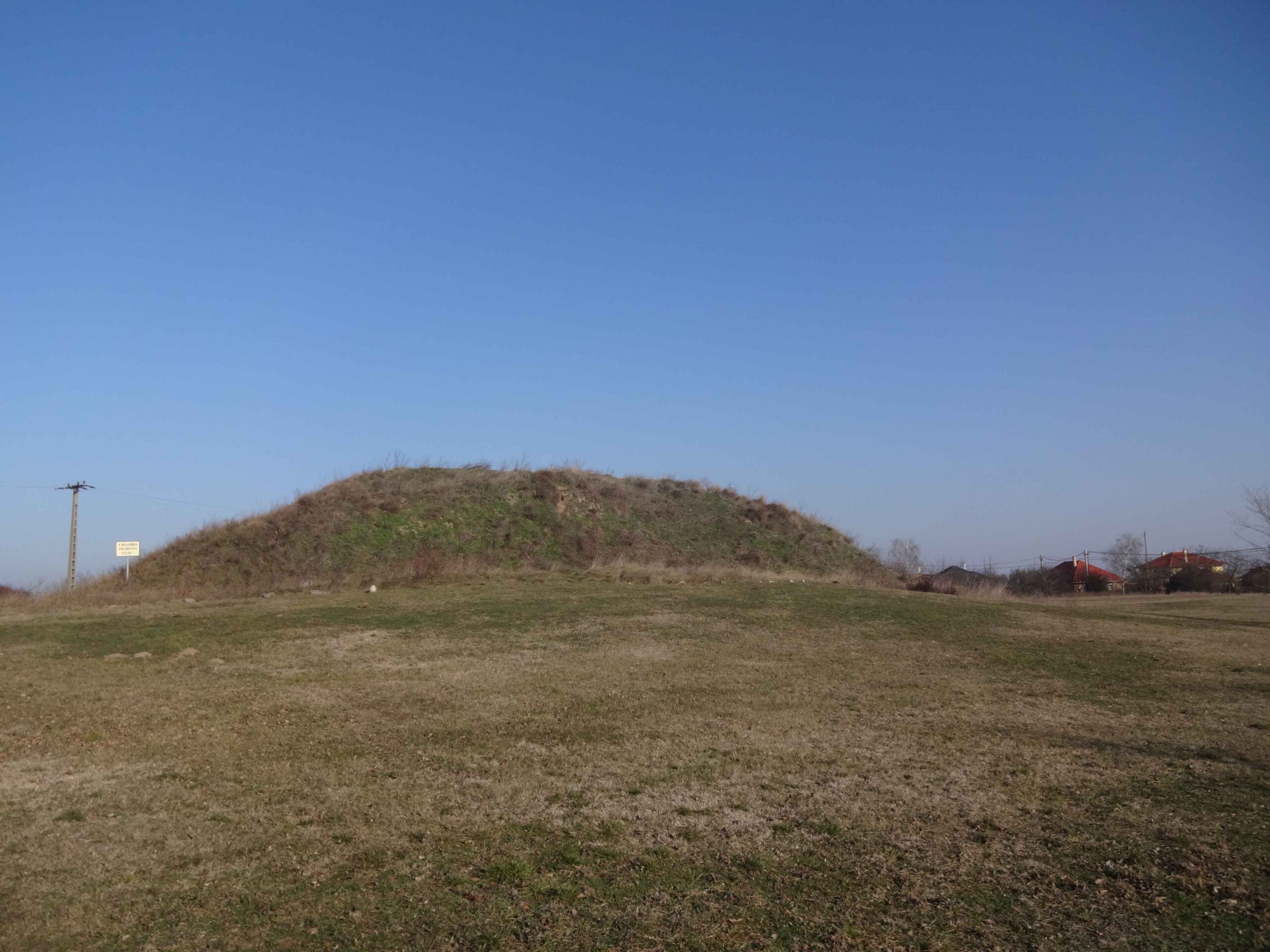
The Early Iron Age burial mounds and the name of Százhalombatta are inseparably tied together, as the city was named after the Iron Age monuments. (Százhalombatta means hundred barrows). Although the name connects, the mounds are continuously degrading and less and less are visible on the plateau above the Danube.
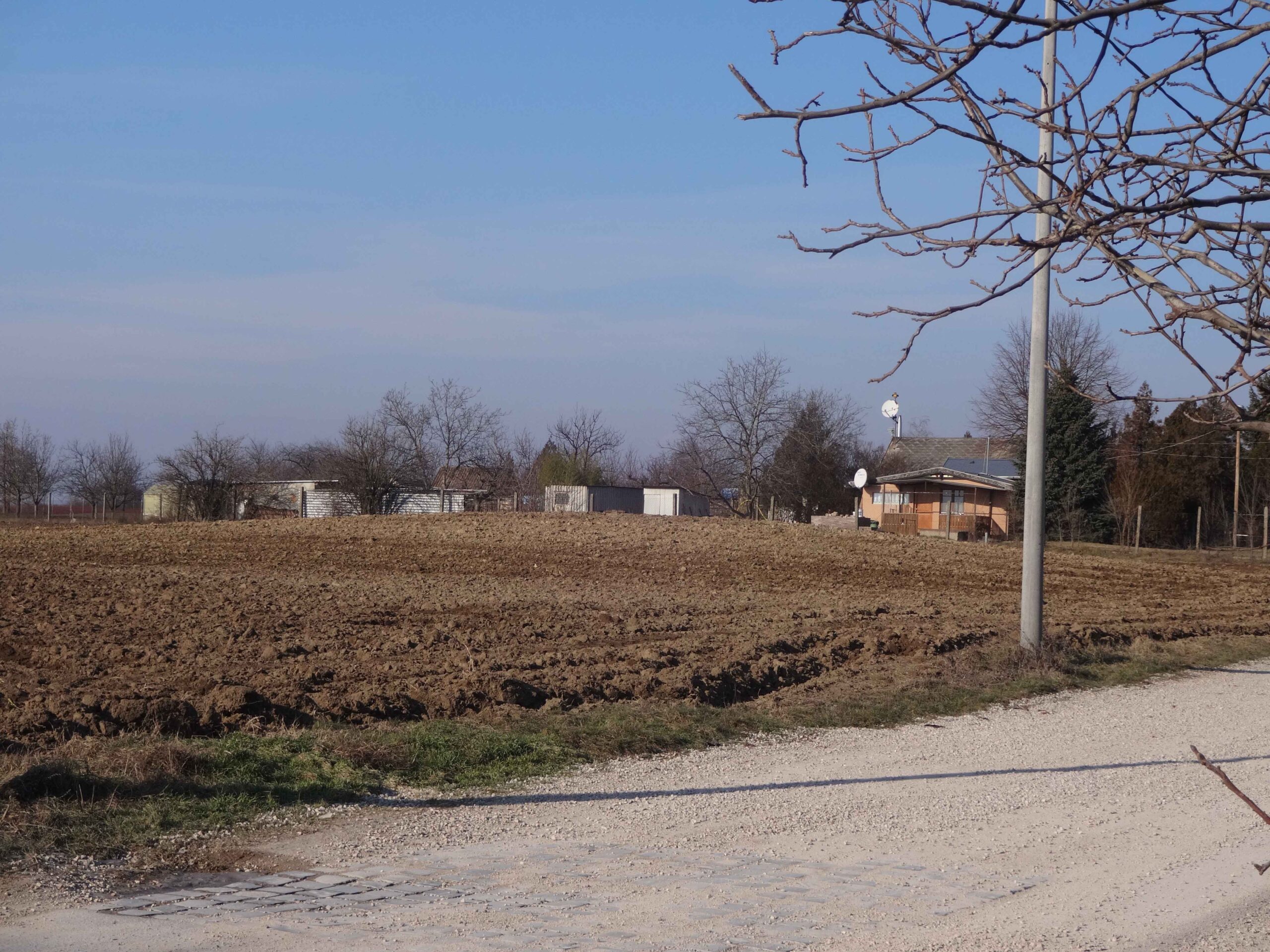
Continuous human presence, ploughing and weather conditions will slowly but surely lead to the degradation and disappearance of the mounds. Although the nearly 70 hectares of the prehistoric cemetery is under archaeological and nature protection, it cannot be completely subtracted from cultivation and farming.


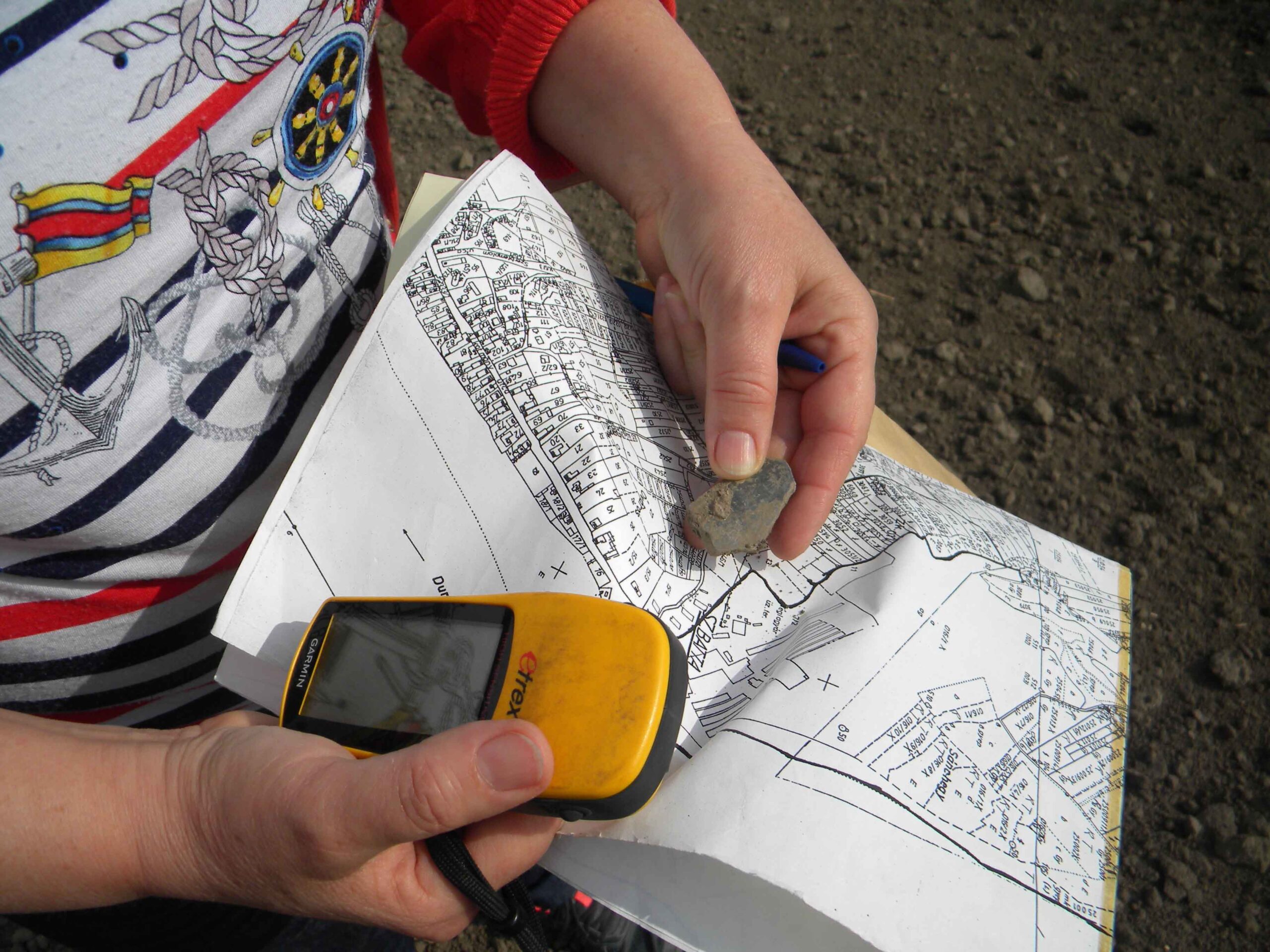
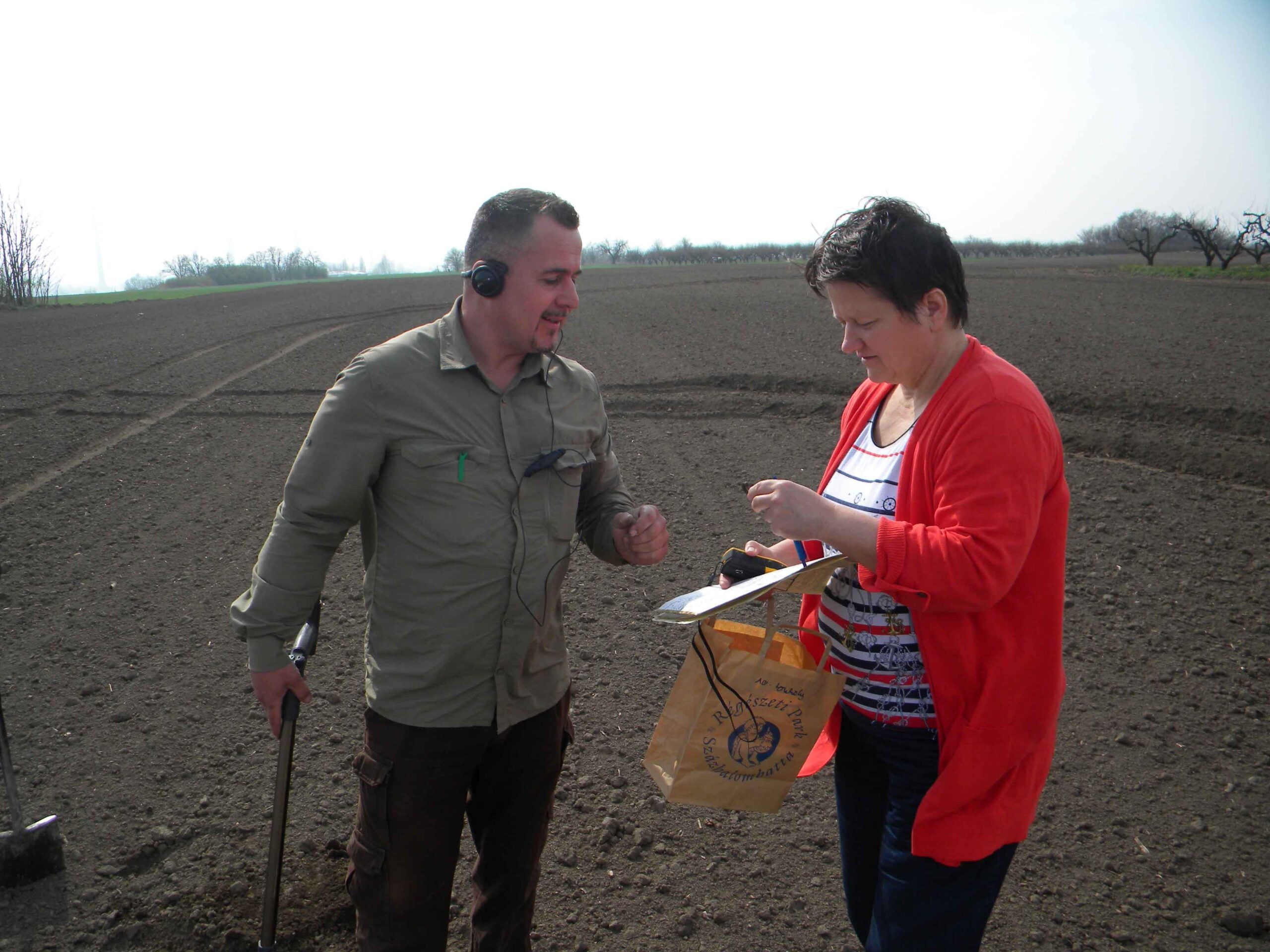
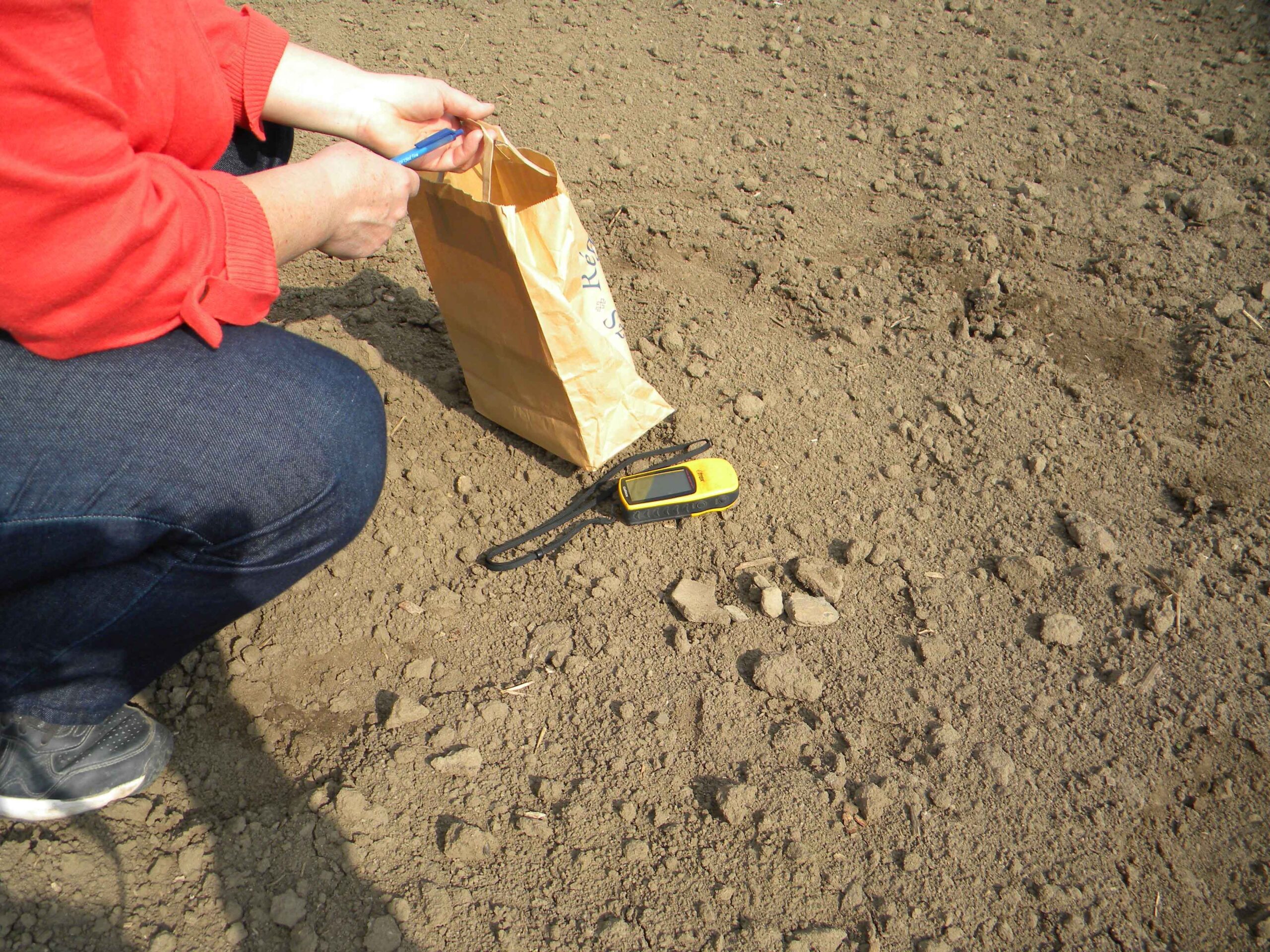
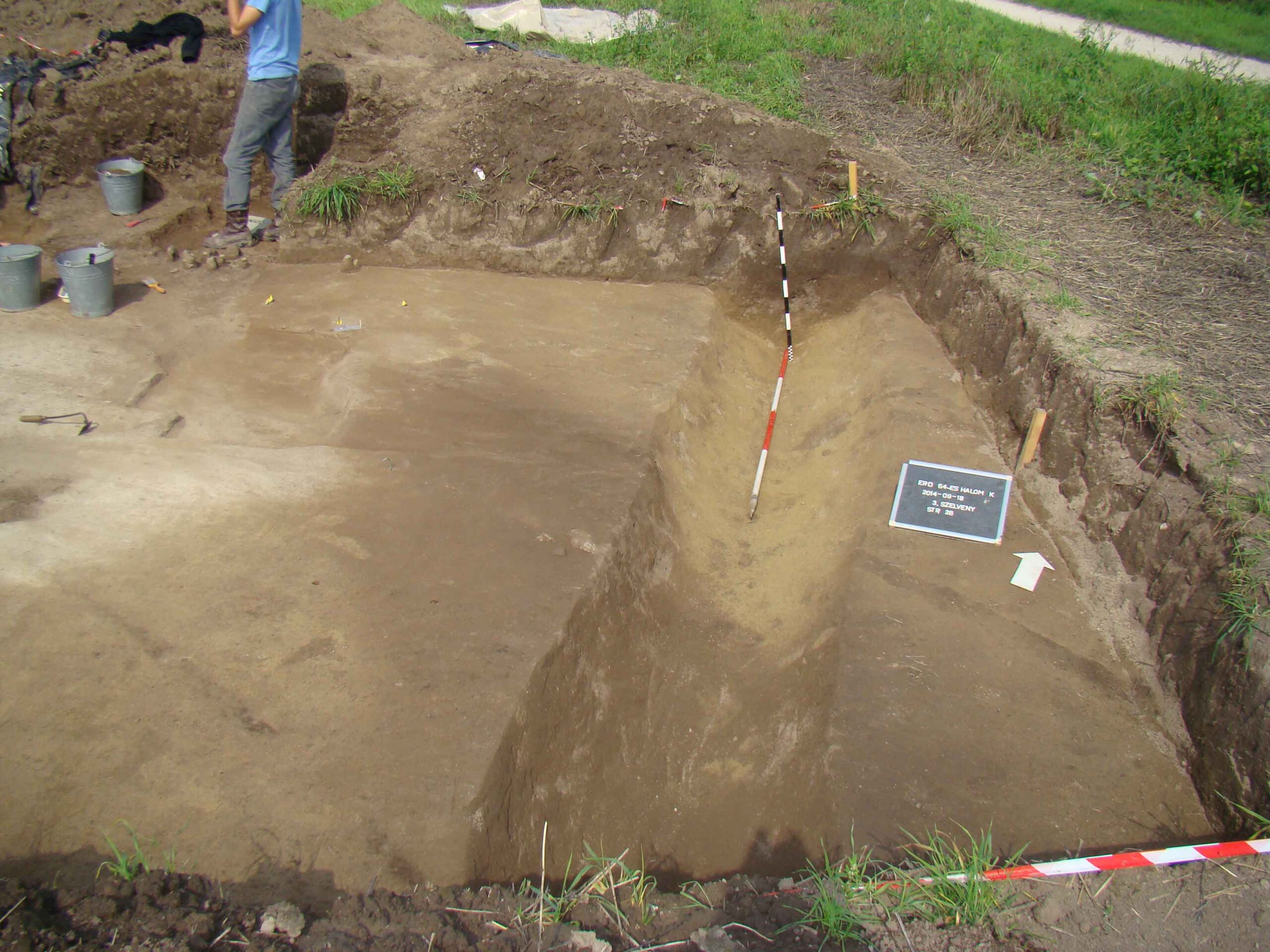
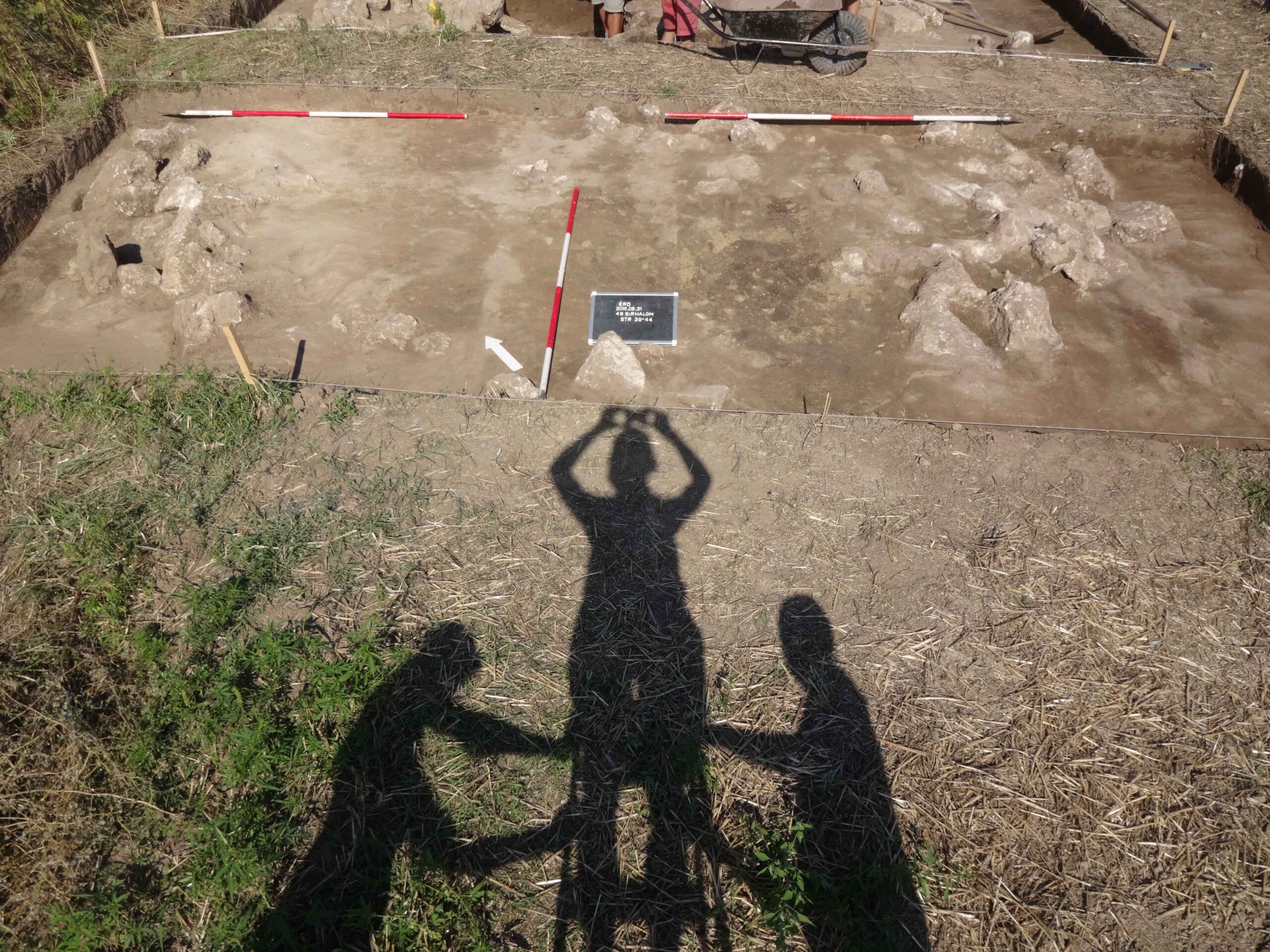
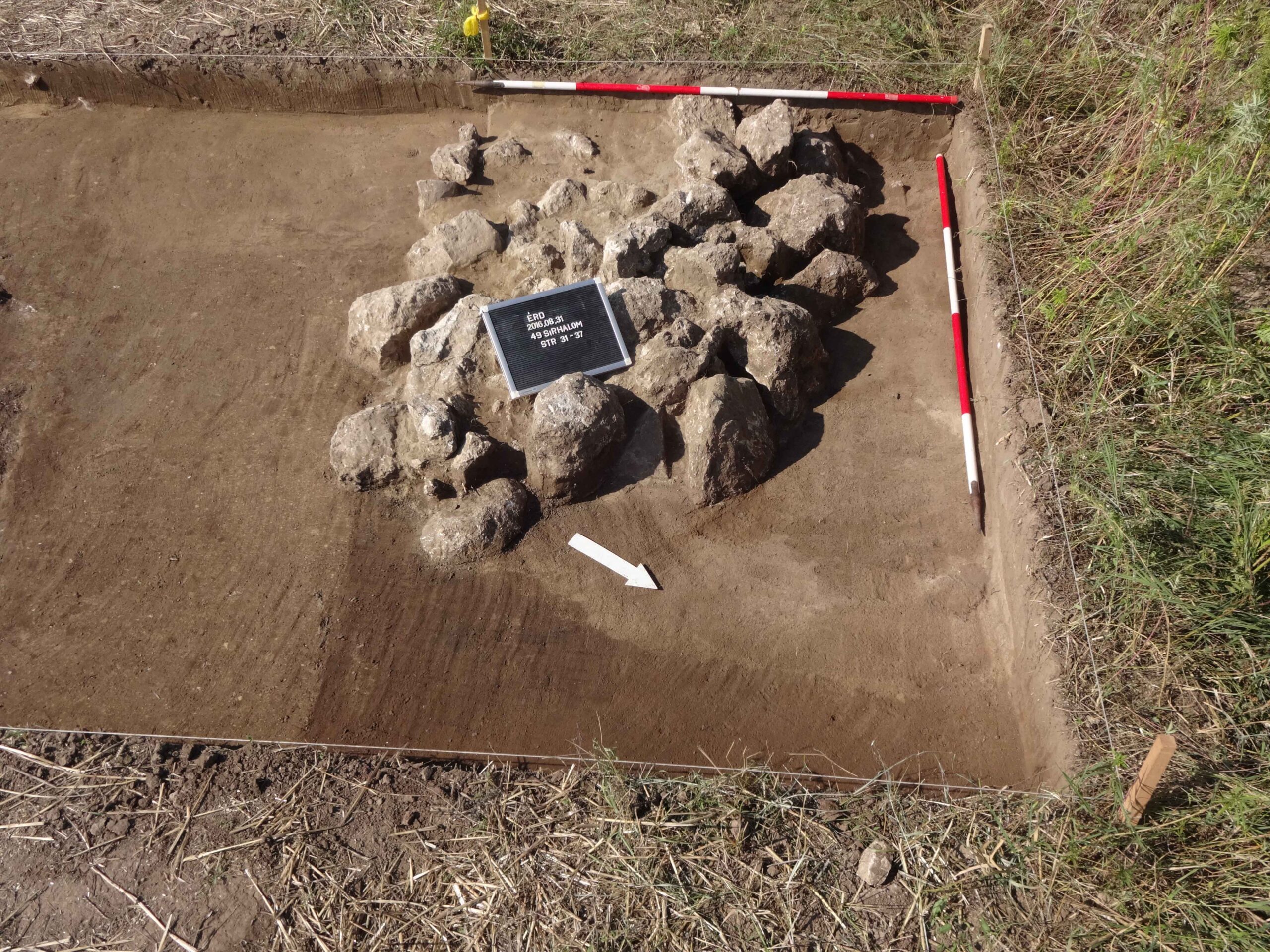
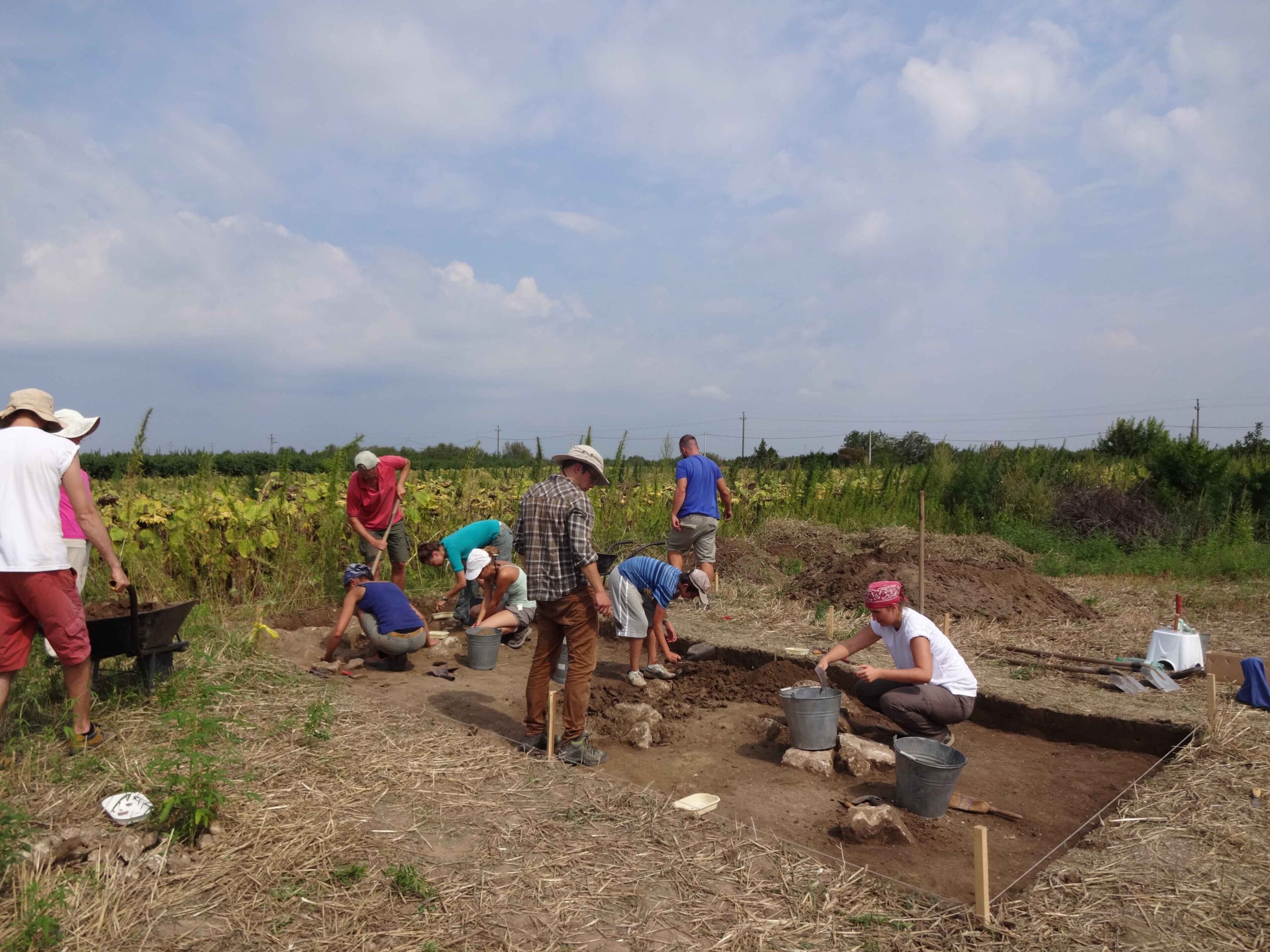
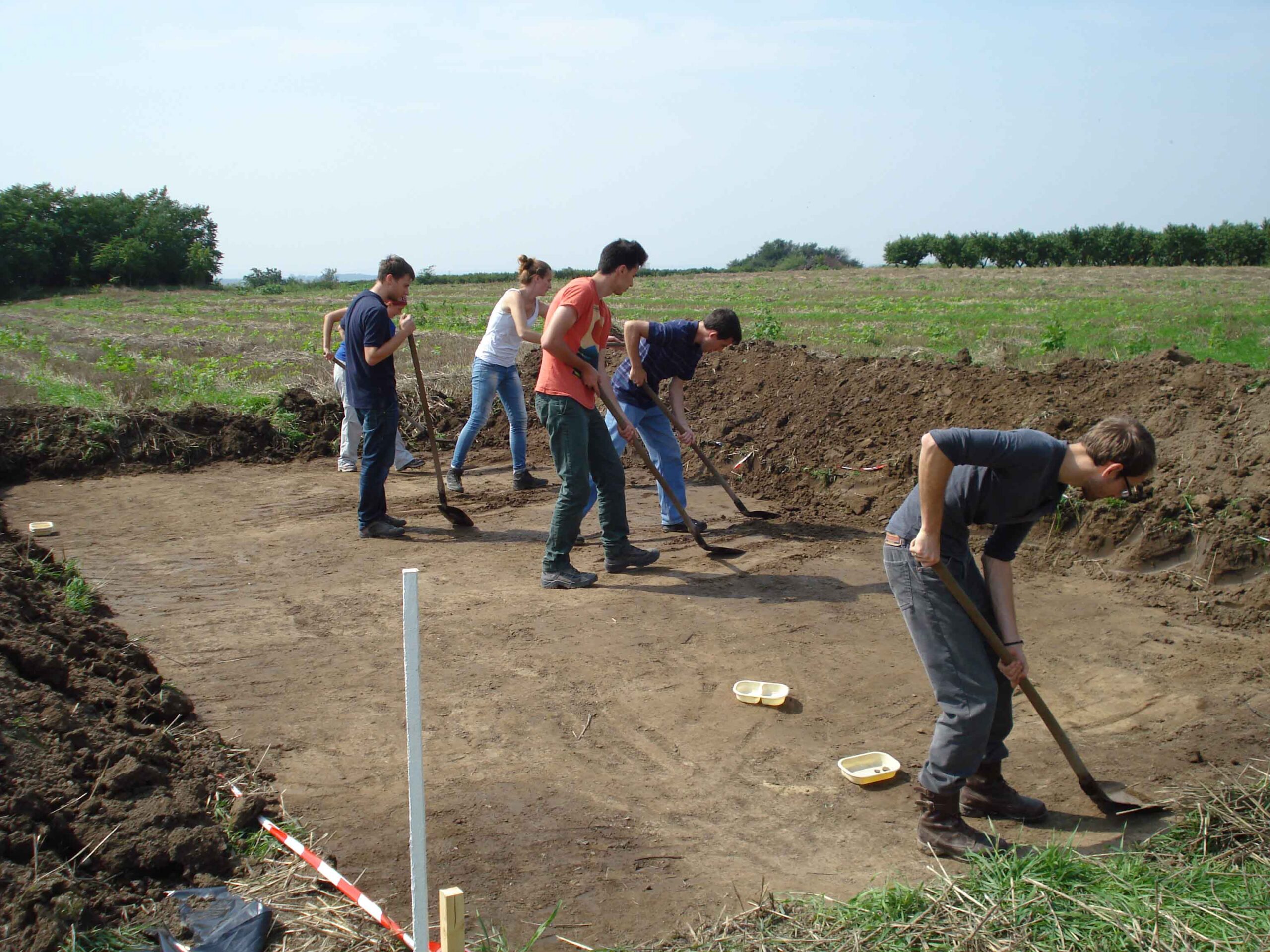
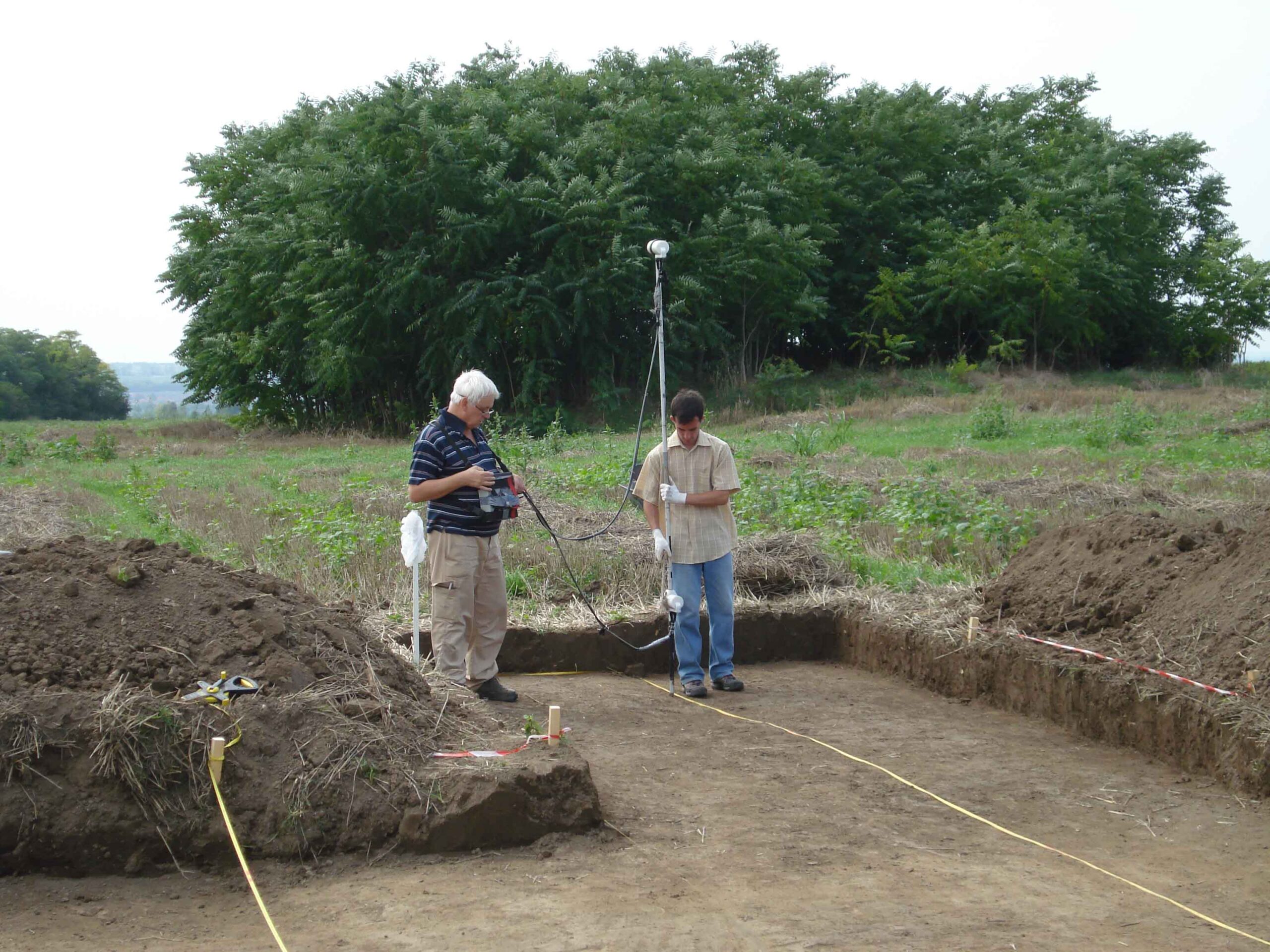
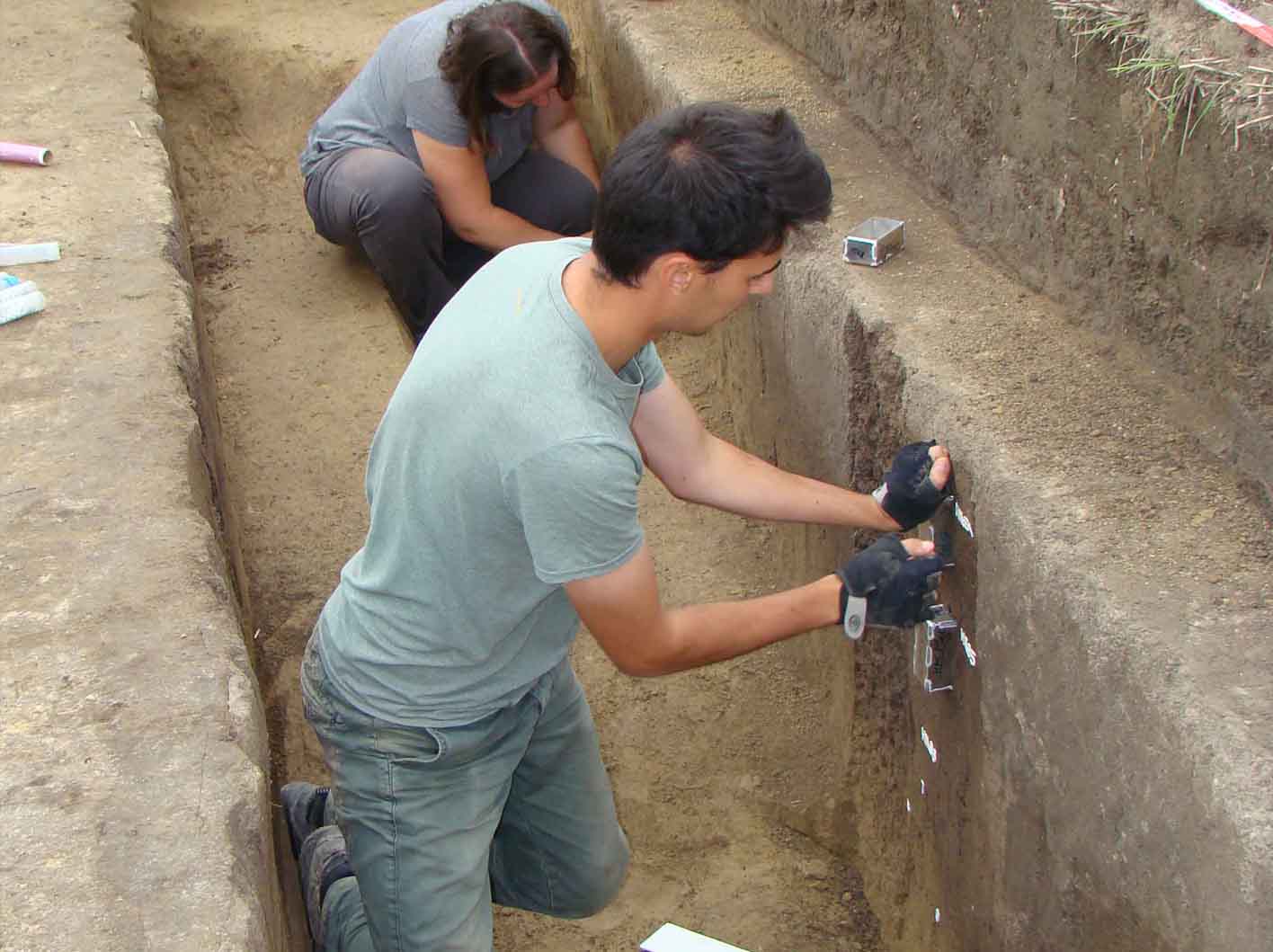
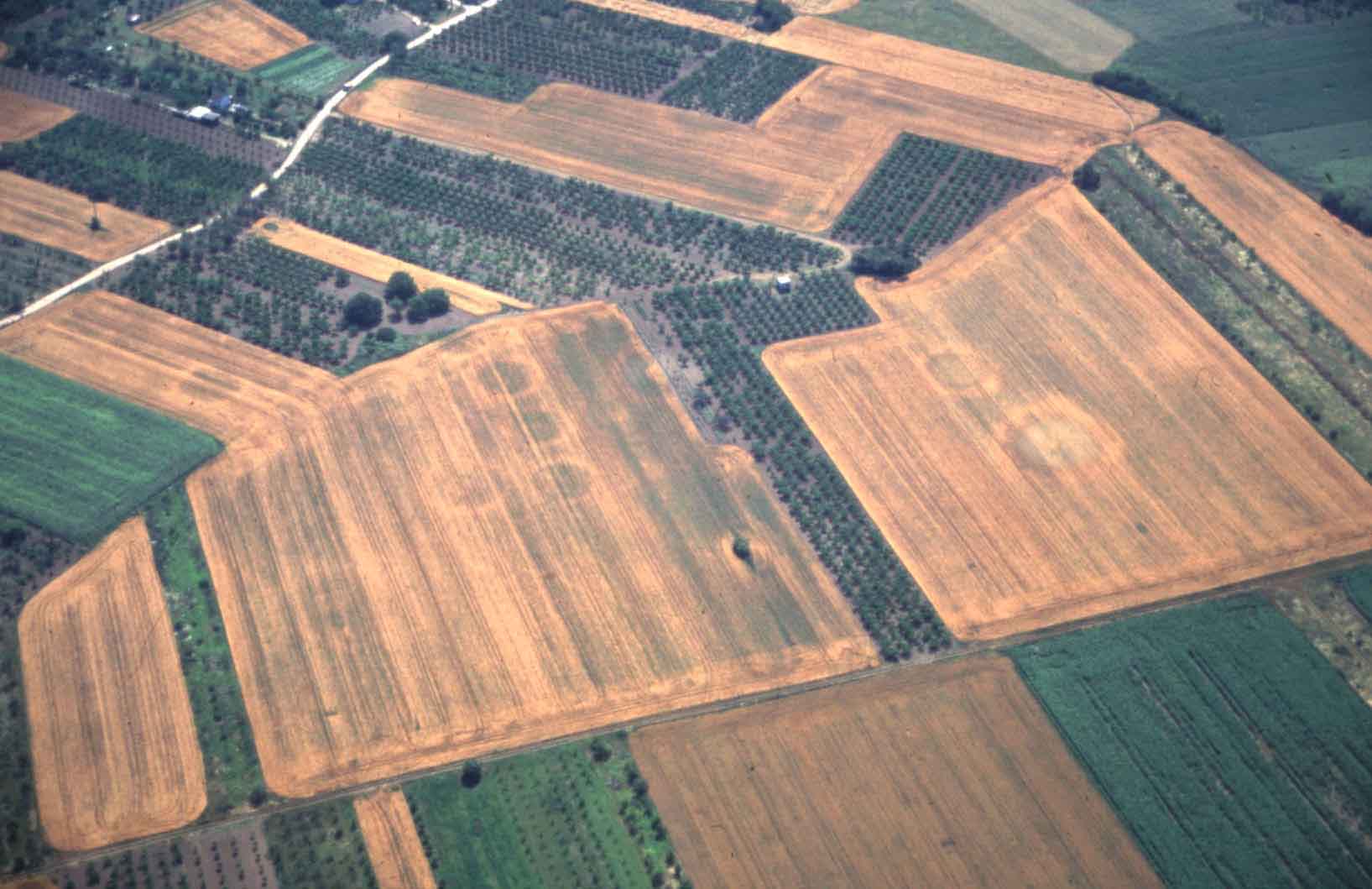
The experts of the Matrica Museum are constantly monitoring the condition of the mounds and the deterioration is unfortunately highly visible. In order to be able to precisely monitor the degradation of the mounds, an extensive survey was started in cooperation with the Department of Archaeology and Archaeometry, Eötvös Loránd University. The research that started in 2013, uses so-called non-destructive methods to prevent further damage. Aerial photography is one of these, carried out by Zoltán Czajlik, specialist of the ELTE University.
Another very important technique is the geophysical survey. The principle of this method is that the magnetic signals emitted can be used to determine the underground disturbances, stone or metal objects. So the invisible becomes visible.
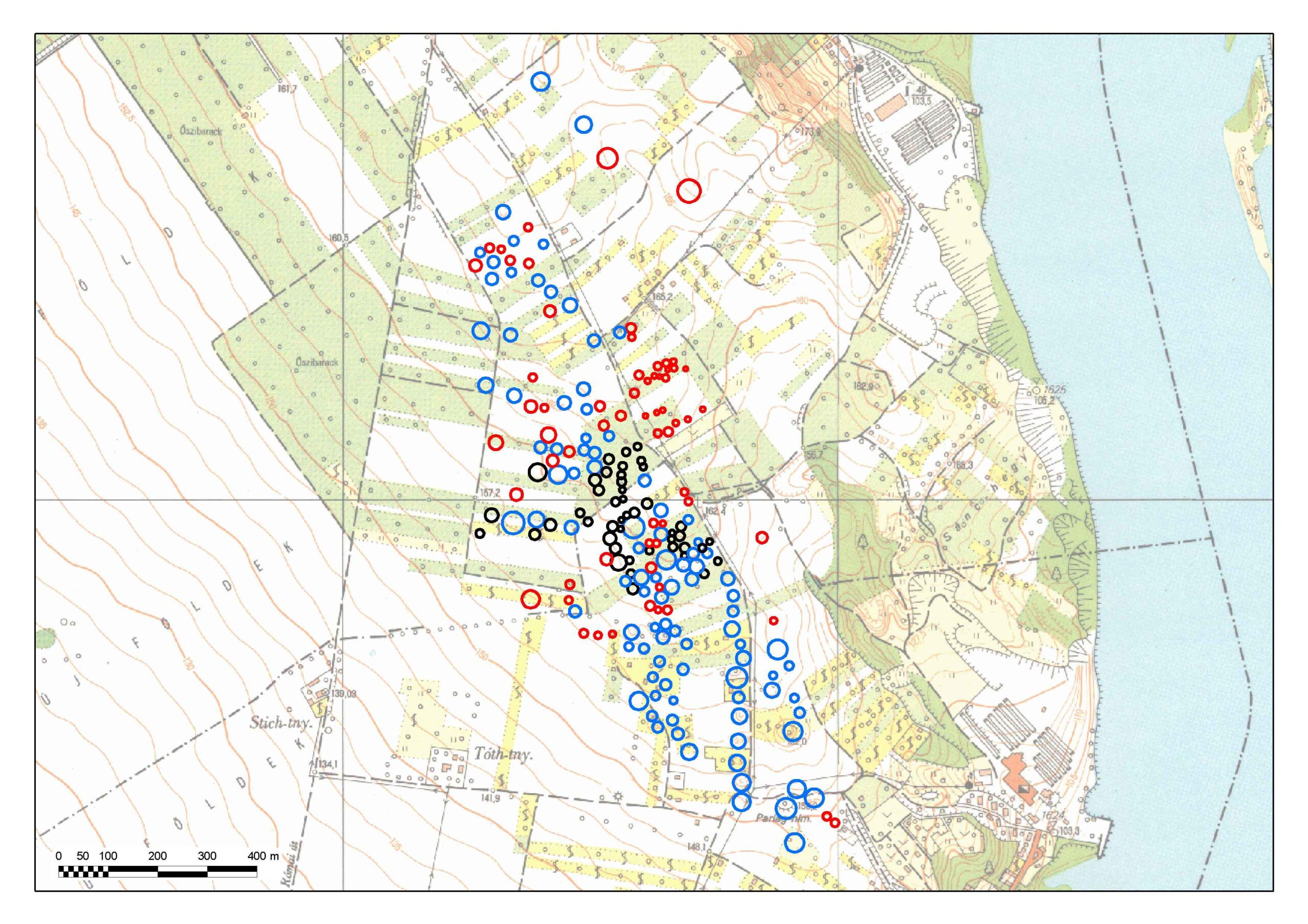
The comparison of the old and new data and maps revealed that the formerly thought 50 hectares of the cemetery is actually nearly 70 hectares. The number of the known mounds was 122, which increased to almost 400 in the light of the recent study.
The previous data showed only the still visible mounds.
The difference clearly illustrates that only a fraction of the original mounds is visible to the naked eye in the area.
Not only is the size of the area and the number of mounds, but also the existence of the surrounding ditch are the newest discoveries of the recent research.


Our Offer for Individual Visitors
Information for Visitors
Services at the „Matrica” Museum (available in Hungarian or in German/English if pre-arranged)
- Guided tours
- Museum-pedagogical classes
- Games and interactive spots inside the exhibition hall
- Virtual exhibition
- Museum Offerings: Publications and Postcards of the Archaeological Park and the „Matrica” Museum
Matrica Museum, 2440 Százhalombatta,
Gesztenyés street 1–3.
telephone: 06(70) 416-5723
e-mail: info@matricamuzeum.hu
Zsuzsanna Tóth (Hungarian)
Gabriella T. Németh (German)
Successful Grant Applications
- NKA 204111/04282 számú pályázati támogatás
- NKA 204111/04074 számú támogatás
- Erzsébet Tábor 2019
- VEKOP – 7.3.-4 – 17 – 2018 – 00027
- TÁMOP – 3.2.11/10/1/KMR
- NKA 3234/00247. számú támogatás
- 2015 – 2016 – NKA 3234/00280. számú támogatás
- Interreg Pályázat
- TÁMOP – szakmai beszámoló
- TÁMOP -Projektzáró rendezvény (2012. június 15.) 14 óra
- TÁMOP – Utolsó Hajrá!
- TÁMOP – Helytörténeti vetélkedő
- TÁMOP – Újdonság a „MATRICA” Múzeumban
- TÁMOP – Programsorozat
- A Nemzeti Kulturális Alap Igazgatósága Múzeumi Szakmai Kollégiumának Támogatásával megvalósult projektek
Civil organization
'Százhalom' Foundation
This Foundation is the oldest civil organization of the „Matrica” Museum. It was established in 1989 and took part in the construction of the Archaeological Park of Százhalombatta.
The Foundation has purchased or received lands as present that are known archaeological sites and it is still their owner.
Since its establishment it is organizing camps for school children two times a year in the Archaeological Park.
Please support our organization with 1% of your income tax!
Taxation number: 19171432–1–13
President: Sinka László
Secretary: Tóth Zsuzsanna
Common goal: get to know and get it known, preserve and have the historical values of the city preserved!
Archaeological Park
About the Archaeological Park
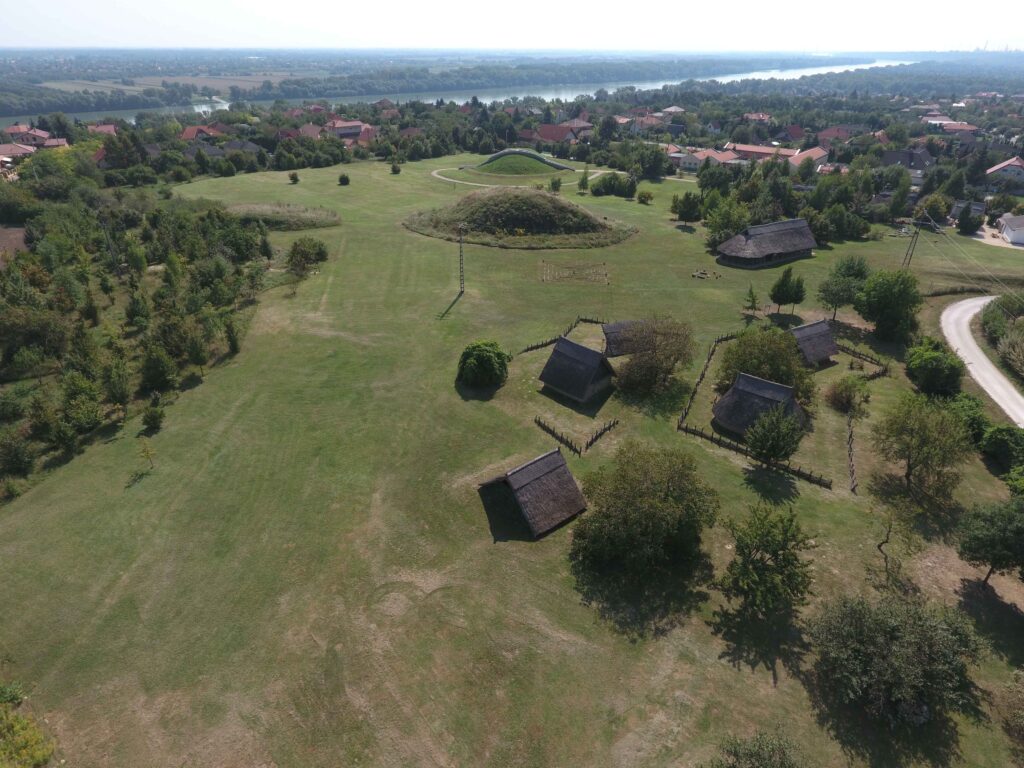
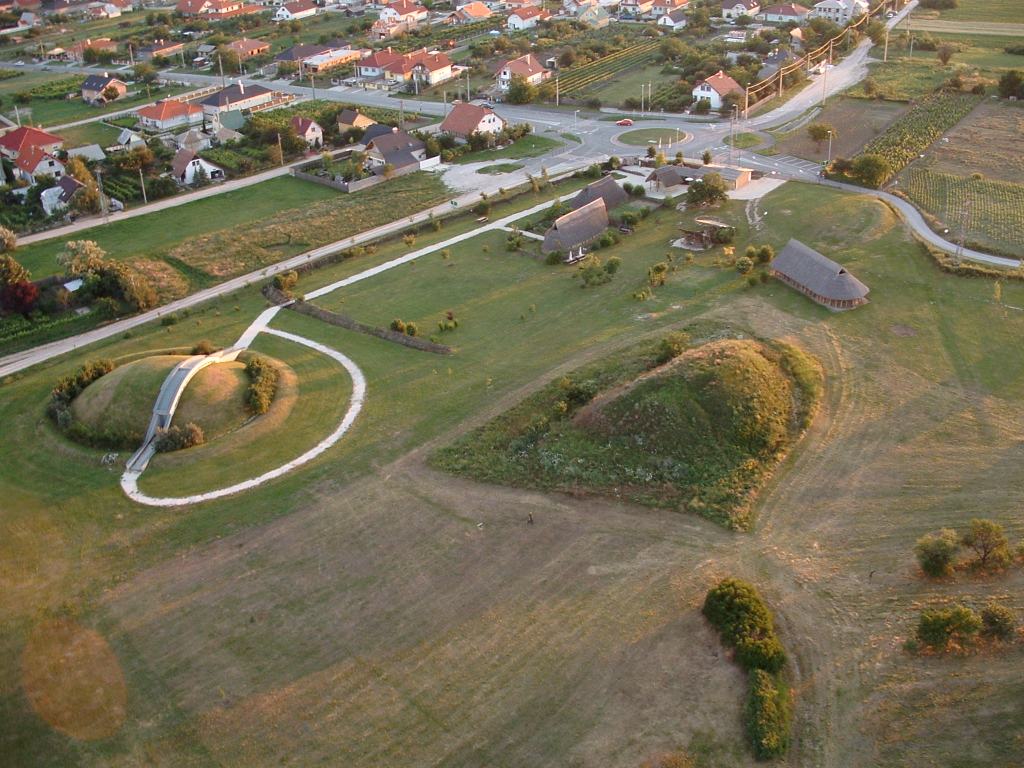
Hungary's first prehistoric open-air museum opened its doors in 1996 with the aim of providing an insight into the everyday life of the Bronze and Iron Ages. It is also an important mission to protect and present the Iron Age burial mounds that preserved the burial practices of the era.
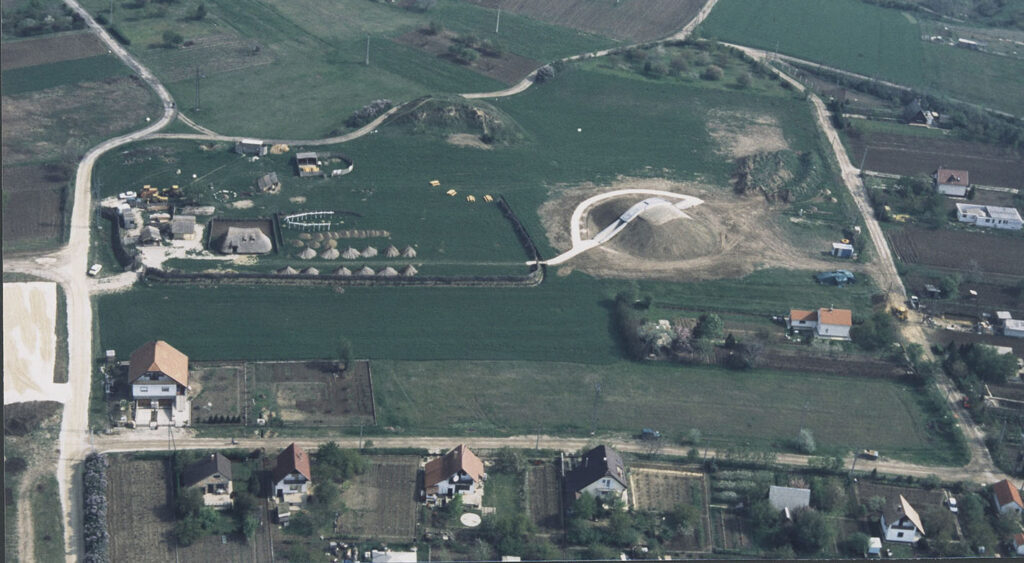
Unfortunately, as a result of human activity, their number is rapidly decreasing and their condition is constantly deteriorating (many mounds are still under cultivation or there is fruit growing on them). Inside the 3.5 hectares of the Park, five mounds can be found.
Out of these (after the archaeological excavation) one was restored to its original state, and now it shows the funerary custom and the building technique of the burial mounds. The city of Százhalombatta was named after these 2700-year-old Iron Age mounds. The mounds are the relict monuments of the so-called Hallstatt Culture.
The outer shell of the mounds consists of stones and earth and in many cases there is a wooden burial chamber inside. A narrow, short passage leads to the chamber, where the ashes and objects (food, drink, weapons – essentials for the afterlife) of the deceased were placed. While standing on a small metal bridge, the burial rites of the period is introduced, aided by light and sound effects.
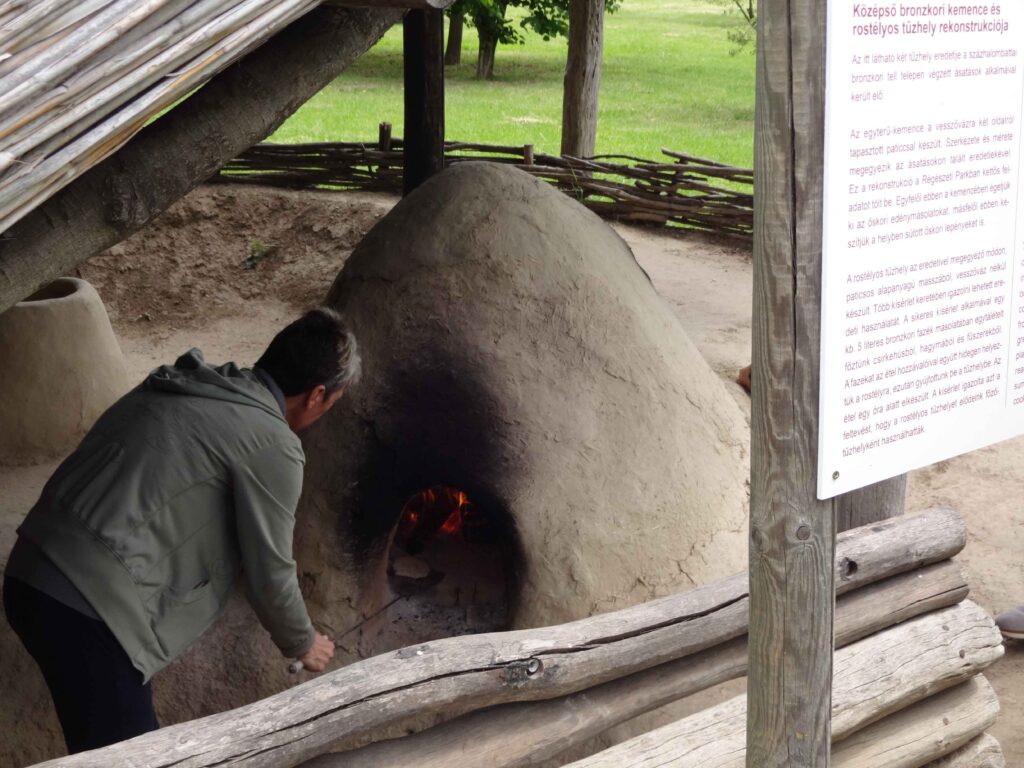
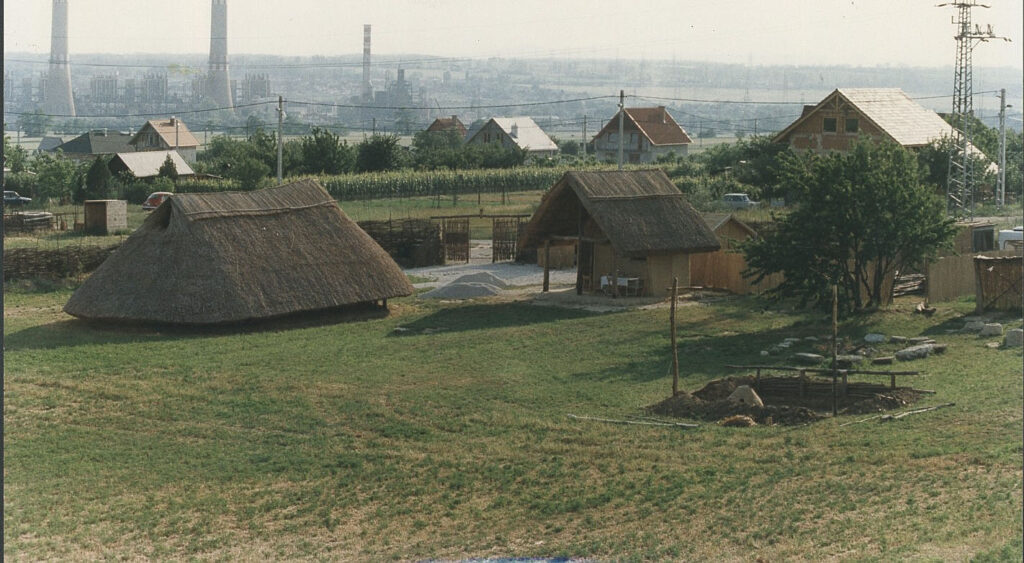
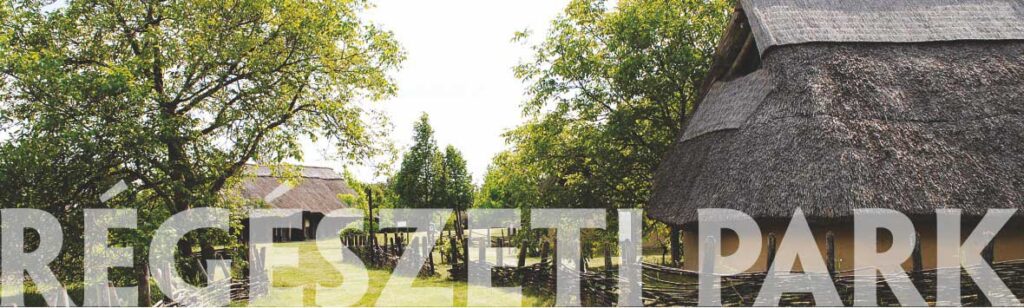
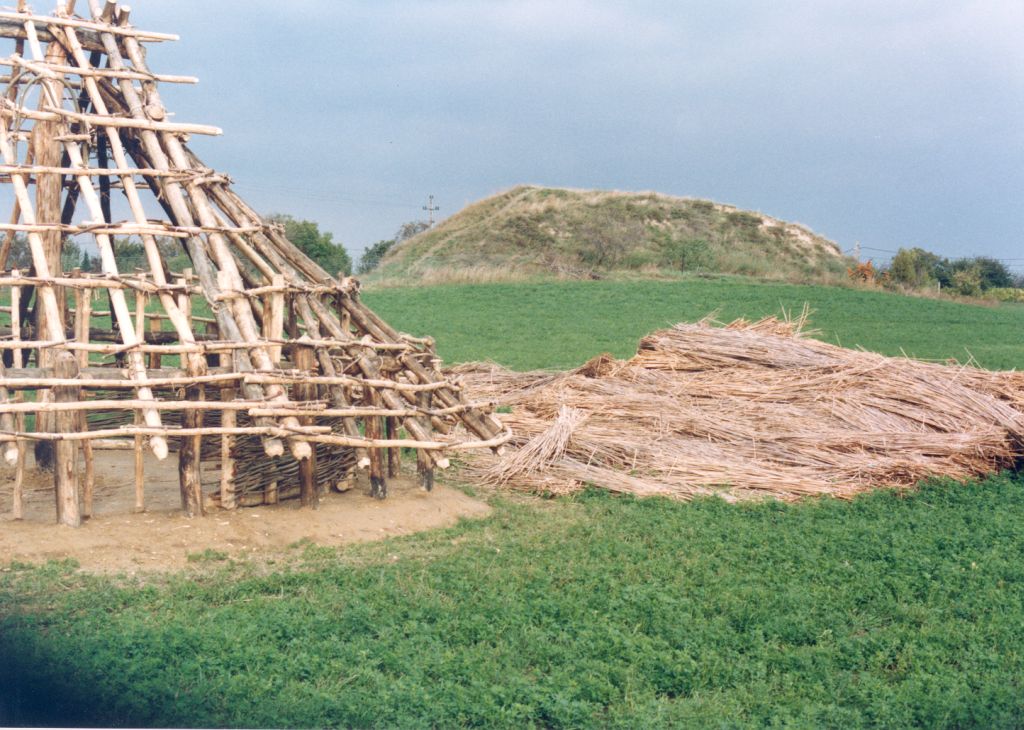
Among the mounds a Bronze Age and an Iron Age village part is presented. The Bronze Age village (2800–1400 BC) consists of three large, timber-framed, daub-walled dwellings and an outbuilding with an oven. All of the buildings are authentic replicas, reconstructed on the basis of the original excavations.
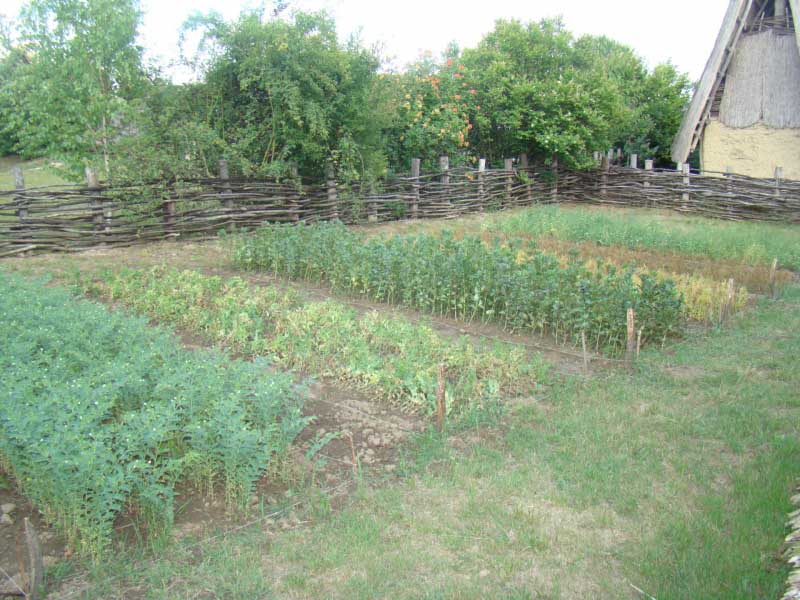
Based on the archaeological data, a small vegetable and a herb/spice garden with typical species of the time were created, next to the houses.
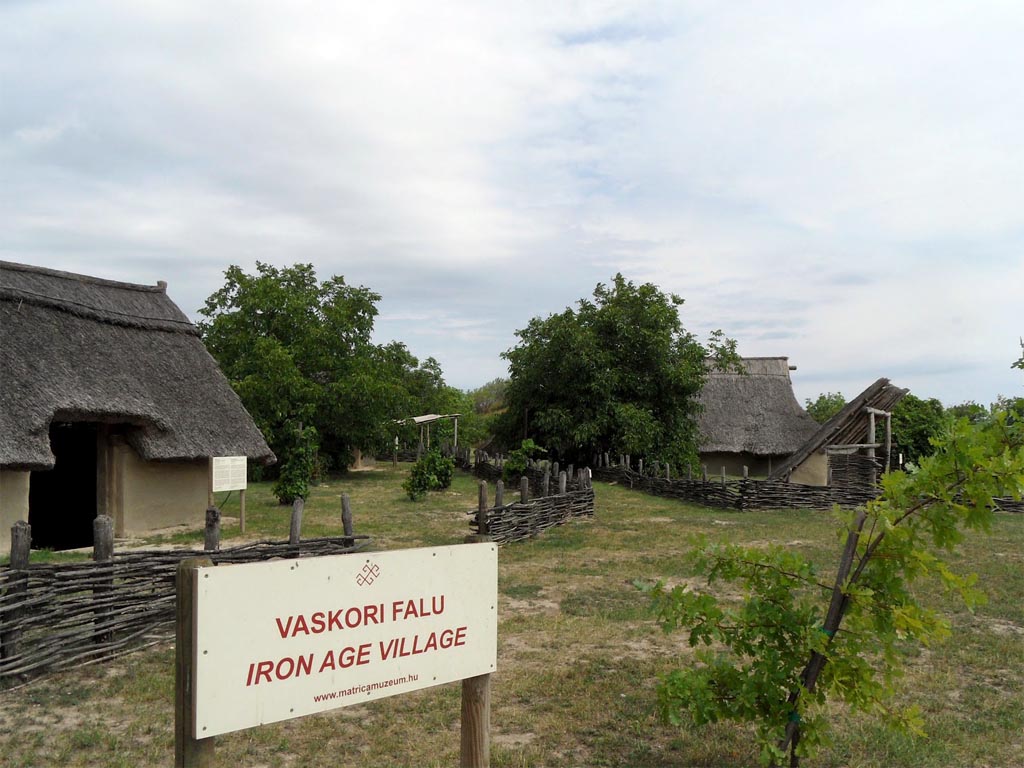
The wattle fences surrounding the houses and the nearby alleys show the layout of the former settlement structure.
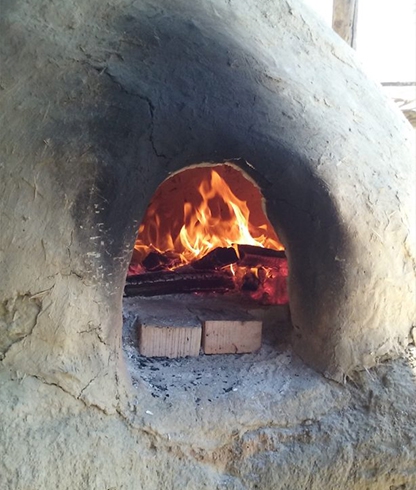
Inside the houses, authentic replicas of vessels and clothing bring the past to life. Alongside people, animals also occasionally shared the living space — and this too can be seen here. The reconstructed oven is not merely an exhibit; prehistoric flatbread is baked in it for hungry visitors.
In the Iron Age village, we can experience all those changes that our ancestors went through during their development. Based on these changes historians separate Bronze Age from the subsequent Iron Age. The weaver's house, the blacksmith's workshop or the house with the oven hides many stories.
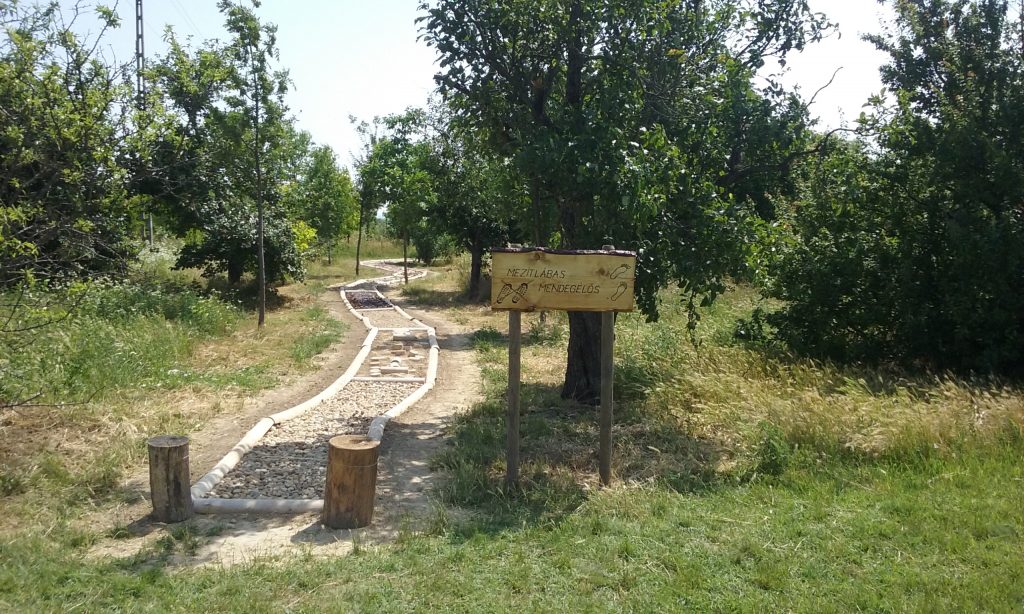
The mini maze and the barefoot path are also waiting to be discovered!
History of the Park
The idea of setting up the Archaeological Park arose in 1990. This notion of the late Ildikó Poroszlai (former director of the Matrica Museum) was supported by the city government.
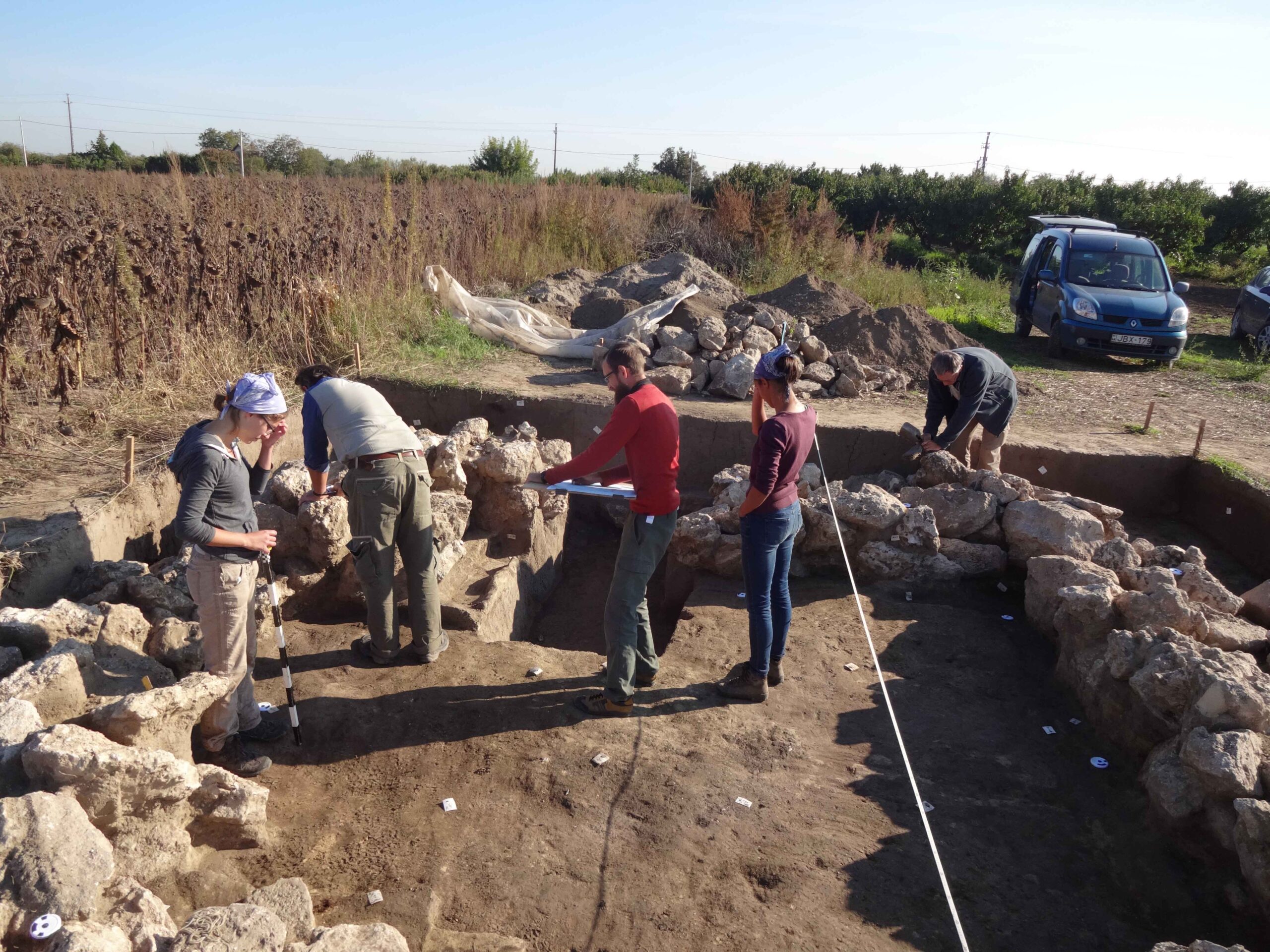
At the planned area of the Park, the purchase of the plots and the excavation of the 115th burial mound (led by Ágnes Holport) started parallel.
The excavation revealed a unique archaeological and architectural monument. The Iron Age burial chamber was preserved almost completely intact.
This made it possible to preserve and present it on the spot.
In the Archaeological Park (well-separated from the burial mound) two areas were created to show the daily life of the Bronze and Iron Ages.
The houses were built based on scientific research results and the reconstruction of the prehistoric natural environment is in continuous progress.
The Archaeological Park was opened in 1996 and the burial mound awaits visitors since 1998.
Park environment
Prehistoric life can be presented in a versatile and authentic way, if former environment also appears alongside the reconstructed houses.
Thus, in the Archaeological Park, the reconstructed buildings and ovens of the Bronze and Iron Ages are accompanied by environmental reconstruction.
The purpose of this is to restore and present the natural and cultural landscape of the Middle Bronze Age and Early Iron Age.
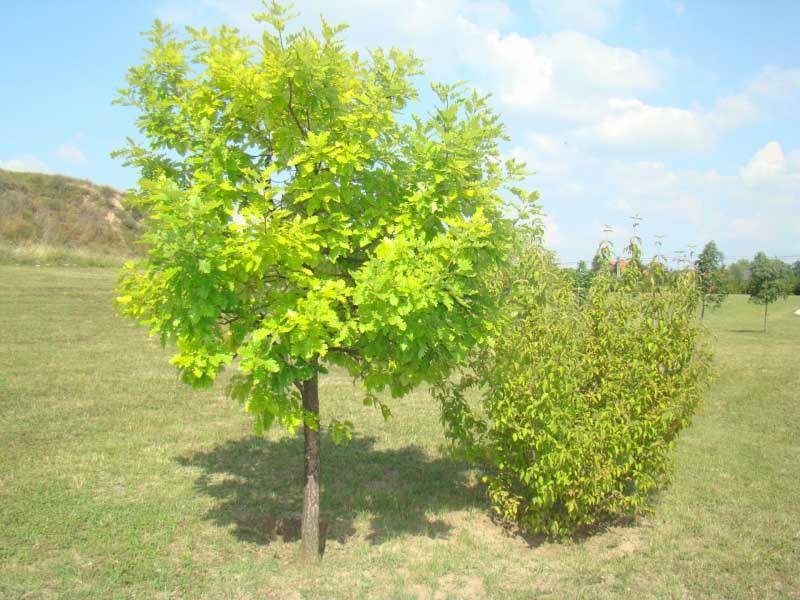
On the basis of the archaeobotanical and ecological studies, a garden engineer designed the landscape. Therefore, trees and shrubs of the typical Tatarian maple tree association of the two era were planted. From summer to autumn nature provides fresh cornelian cherry, hawthorn, rubus, blackberry, blackthorn and hazelnut. On the eastern edge of the Park, there is a small tree nursery. This small forest, grown since 1996, is getting stronger and stronger. Birds and beetles have also settled into the forest, which nicely separates this part of the Park from the modern outside world.
Loess grassland is the native vegetation of the loess subsoil.
On the slopes of the burial mounds, rare, protected and valuable herbaceous species and their associations can be observed.
We can also observe the growth of loess colony plants in the undisturbed area of the planted forest.
Plants gathered and cultivated by man can also be found in several parts of the Park.
Bronze Age herbs and spices, as well as protein-rich legumes are grown in the small gardens of our two Bronze Age houses.
Rent the place
An unforgettable event in a truly unique setting!
The Archaeological Park
chartering the following phone number they can inquire about:
06(70) 416-5723
Illés Orsolya
Experimental archeology
The experiment is a means of cognition.
Experimental archaeology is a tool of scientific research.
The Archaeological Park operates as a scientific experimental workshop as well.
Creating this prehistoric archaeological park and reconstructing the buildings was a great experiment by itself!
Since 1995, we have conducted experimental archaeological activities in the following topics:
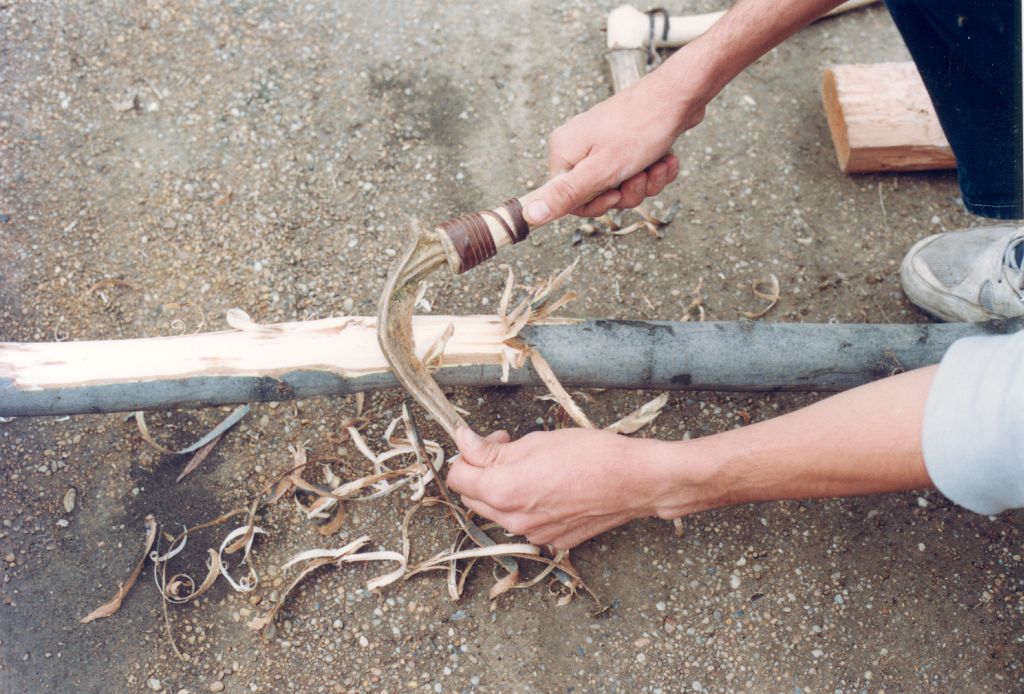
Prehistoric bronze casting, iron smelting, constructing and using ovens, cremation-pit burial, yarn colouring with endemic plants, pottery making with prehistoric techniques, firing pottery in pit and oven, making stone and bone tools, wheat cultivation, grain storage in pit and in clay storage vessel etc.
In the Archaeological Park we would like to present the Bronze and Iron Age life from as many aspects as possible.
As a result of our archaeological research and experiments we would like to convey authentic knowledge to our visitors.
Individual visit to the bronze age archaeological into
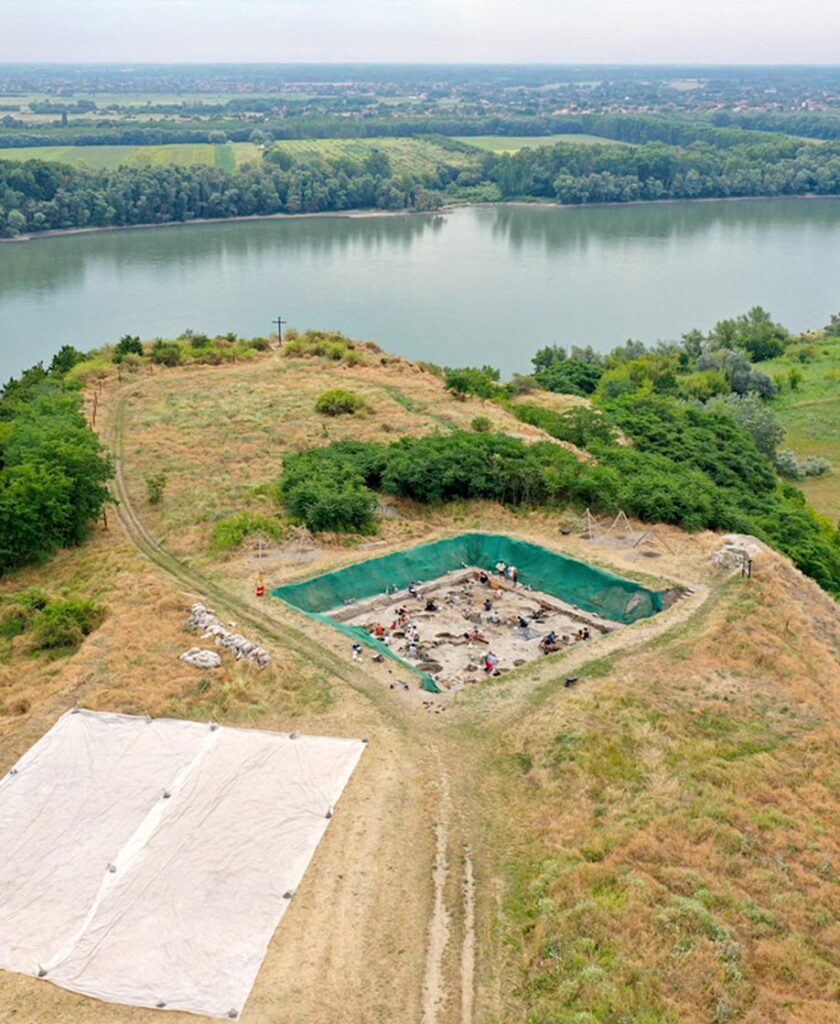
Excursion options to the Archeological park close to the bronze age-iron age archaeological into iron age rampart (about an hour and a half walk back and forth)
The bronze age Archaeological individual visitors. Information about the Archaeological Park cashier can get.
Archaeological Park policy
Calendar
Attractions in Százhalombatta
Szent István Square, the city’s main square
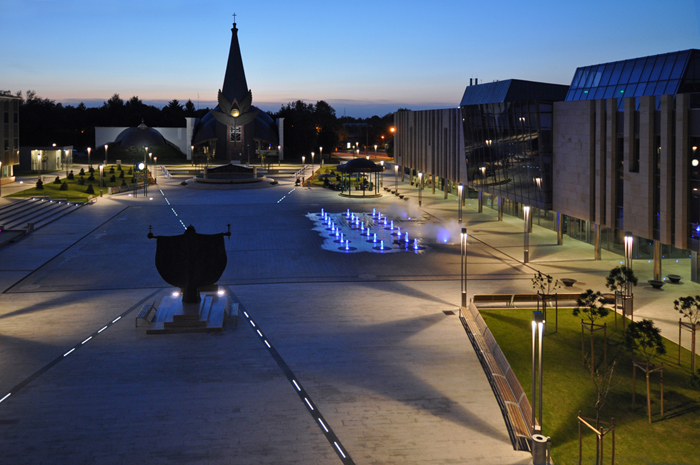
Százhalombatta square on three sides by the mayor's Office, the Friendship Cultural Center and the József Szekeres conference center modern buildings bounded.
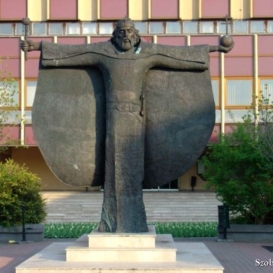
The square is adorned by a four-meter-tall bronze statue of Saint Stephen and a pool covered with glass mosaic, decorated with a ceramic relief titled “The Legend of the Miraculous Stag.”
Szent István Church, designed by Imre Makovecz
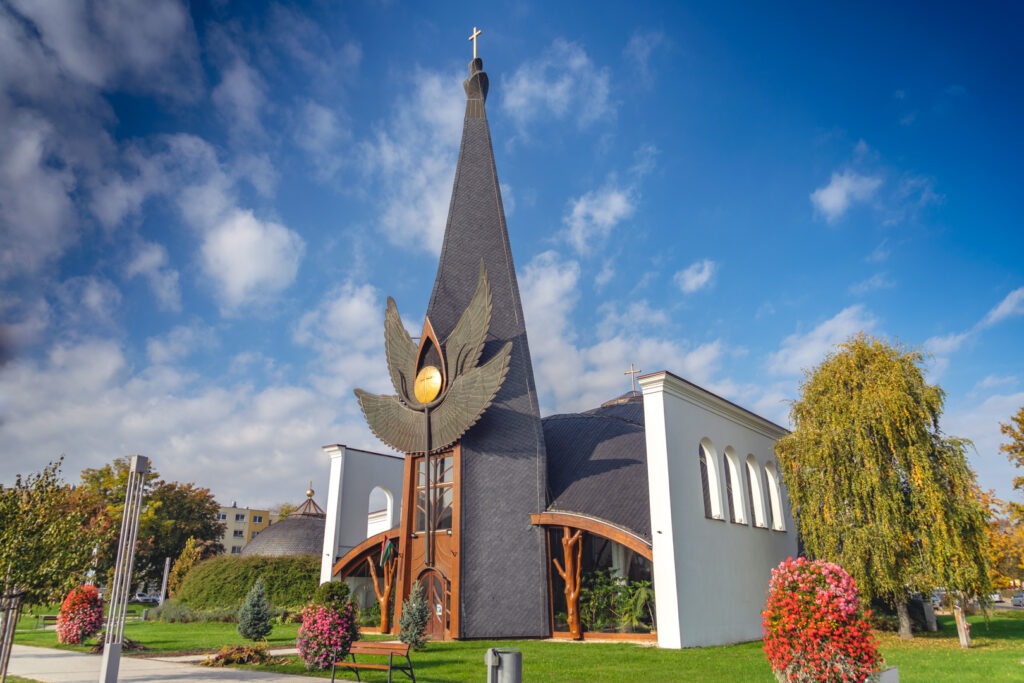
On the fourth side of Szent István Square stands the Catholic Church, consecrated in 1996 and designed by Imre Makovecz. The architect was inspired by the Iron Age burial mounds that gave Százhalombatta its name, and the church building itself takes the form of three hills. The altar is made of Carrara marble, and visitors can admire the ceramic reliefs by Mária Petrás inside the church.
Bronze Statue of Szent István
The Saint Stephen statue in Százhalombatta commemorates Hungary’s first king and state founder, Szent István. The statue symbolizes the establishment of the Christian Hungarian state, the organization of governance, and historical continuity. King Szent István is depicted with royal regalia, emphasizing his regal authority and spiritual legacy. The monument plays an important role in the city’s community and cultural life, especially during national celebrations, when it serves as a central site for commemorations.
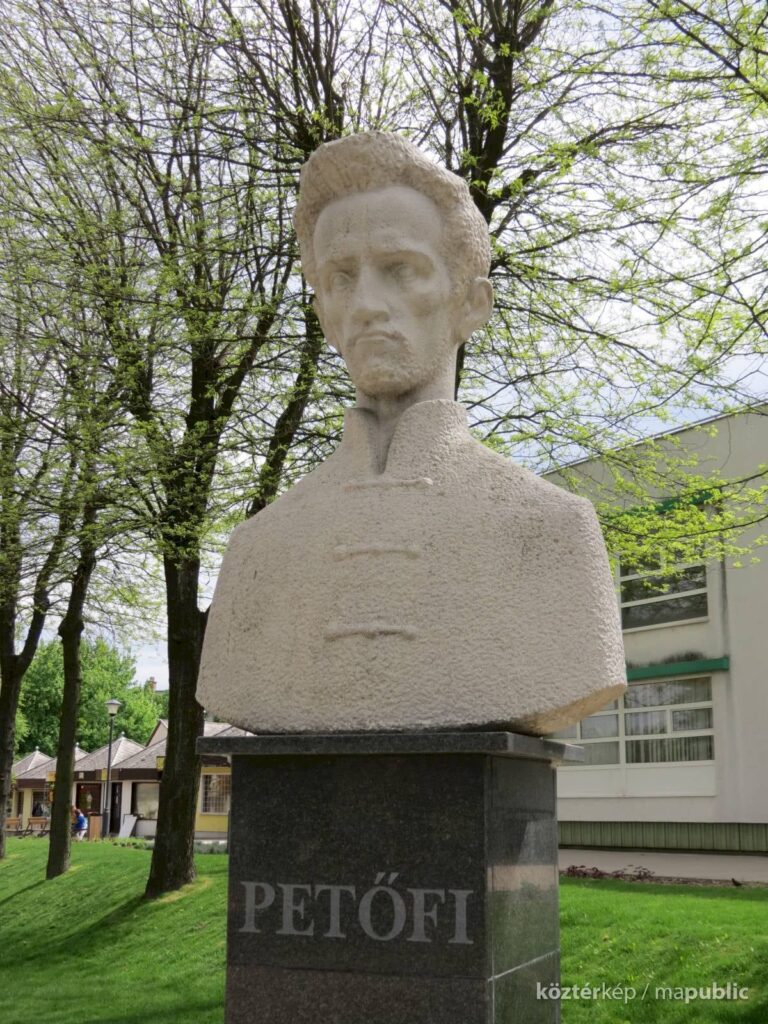
Sándor Petőfi Memorial Bust
The bust of Sándor Petőfi in Százhalombatta was a gift from Szováta, the city’s twin town in Transylvania. Created by Vince Bocskay, the sculpture honors one of the greatest figures of Hungarian literature. The statue symbolizes Petőfi’s intellectual legacy, his ideals of freedom, and national unity, while also strengthening the bonds between Hungarian communities on both sides of the border. It is an important site for the city’s commemorations, especially on March 15, when the ideals of the revolution and the fight for independence are celebrated.
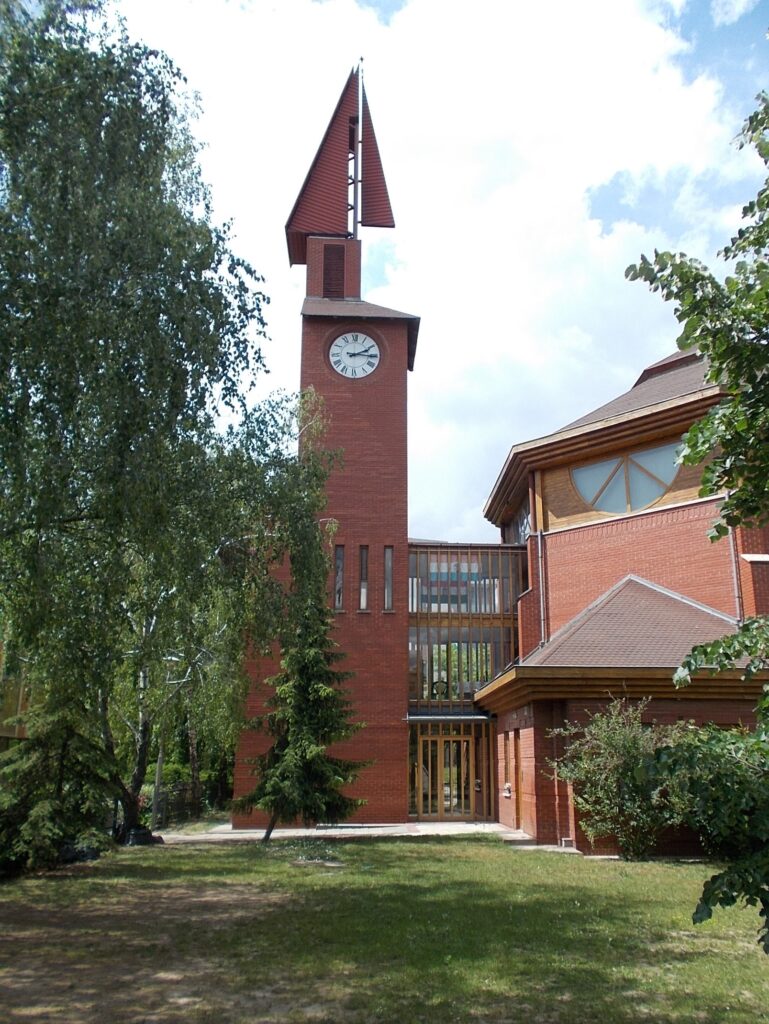
Reformed Church
The Reformed Church of Százhalombatta was designed by József Finta. With its modern approach, clean lines, and simple yet expressive appearance, the building reflects the traditions of the Reformed Church. The church is not only a place for worship services but also an important center for the spiritual and community life of the local Reformed congregation.
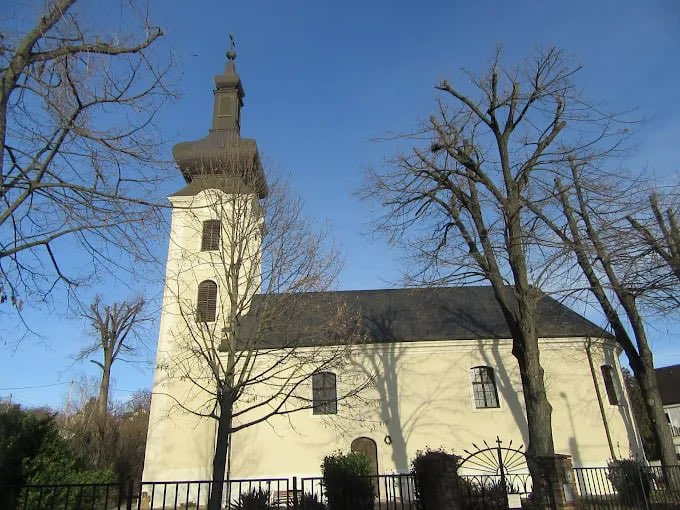
Serbian church
The Serbian Church, or Greek Orthodox Church, in Százhalombatta was built around 1750. The building is an important landmark of the religious life of the local Serbian community. Its iconostasis was likely brought from another, larger church, while the icons were painted in the 1770s. The church is a valuable artistic and historical monument, offering insight into the city’s multiethnic past and Orthodox Church traditions.
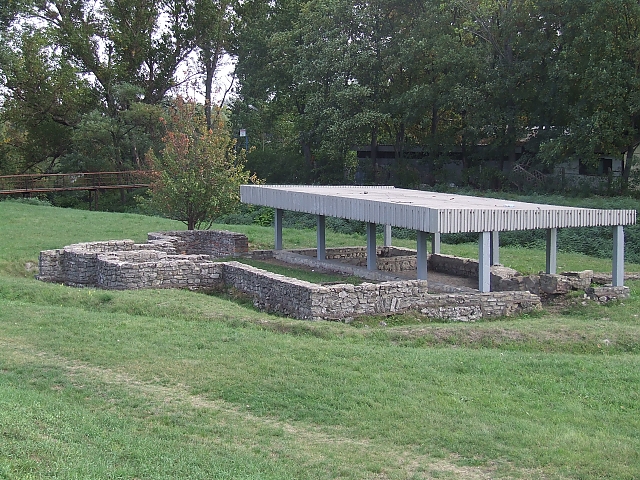
Roman-Era Bath
The Roman-era bath in Százhalombatta is an important archaeological site from the Roman period. In antiquity, this area was home to the Matrica military camp and its associated civilian settlement, which played a key role in the defense along the Danube frontier. A Roman military road also passed through the site, connecting military and commercial centers. The remains of the bath provide a clear example of Roman architectural and bathing culture, offering insight into Százhalombatta’s history spanning several thousand years.
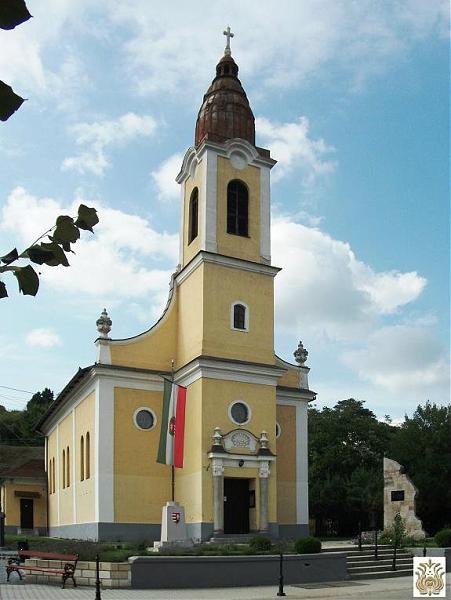
Catholic Church in the Old Town
The Old Town Catholic Church is one of Százhalombatta’s oldest religious buildings and a landmark of the Old Town district. For centuries, the church has served the local Catholic community and continues to play an important role in the city’s religious and communal life. Its appearance and history faithfully reflect Százhalombatta’s past, as well as the faith and cultural traditions of its inhabitants.