
Complete your youth community service at the Matrica Museum!
You can not only complete the 50 hours, but also gain experiences in an interesting location with a new community!
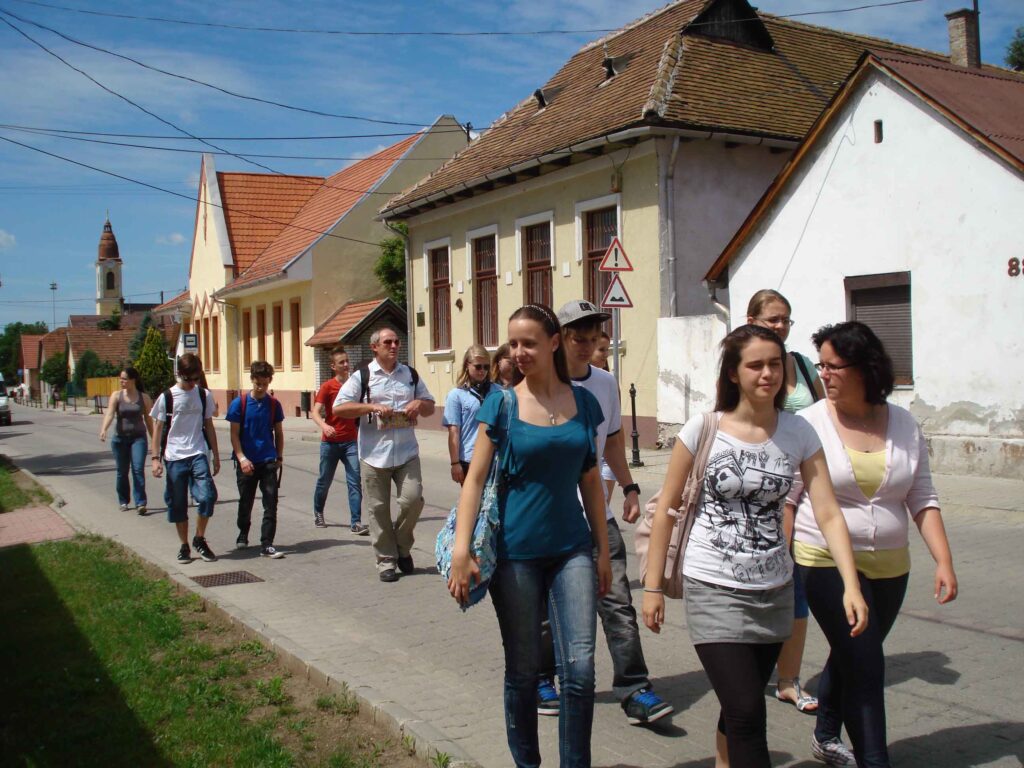
On weekdays until 16:00, and on weekends or during school breaks by appointment or during events, we welcome you at the Matrica Museum (Gesztenyés út 1–3, Százhalombatta) and the Archaeological Park (Poroszlai Ildikó u. 2, Százhalombatta).
You can take part in:
Preparation of programs (setting up the venue, distributing flyers, cutting craft materials, etc.), execution (welcoming guests, etc.), and participation in museum administration (typing, inventory management, etc.)
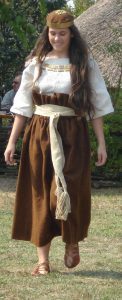
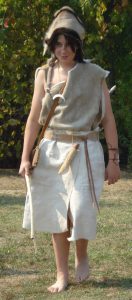
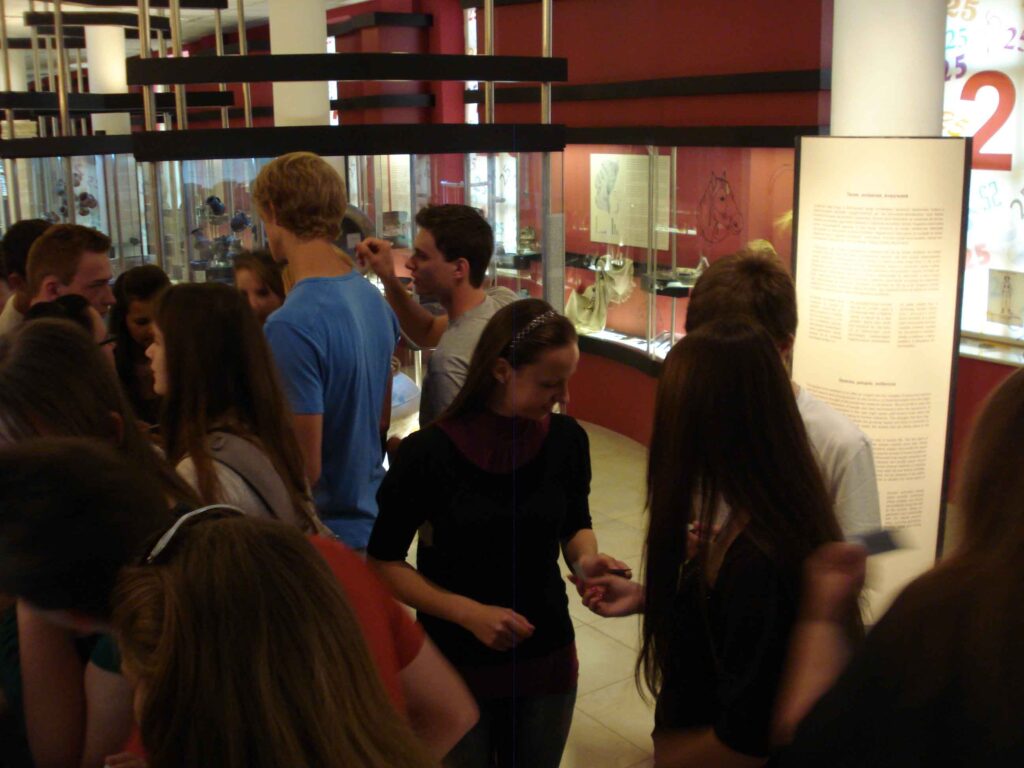
Museum lessons and activities at the Matrica Museum
The museum lesson (45–90 minutes) consists of a guided tour connected to a selected topic from the permanent exhibition Spaces, People, Millennia, followed by a playful or worksheet-based exploration of the theme, during the workshops, this is complemented by a hands-on craft activity.
Multinational Hungary – The Culture of Ethnic Minorities in Hungary (museum lesson)
Exploring the history of the Serbs in Százhalombatta through group work.
Development task:
Observing various life situations and drawing conclusions; organizing and interpreting information; recognizing and articulating social, historical, and ethical issues; practicing the understanding of the connection between human actions and their consequences; narrating and acting out historical scenes from different perspectives; identifying life situations that raise ethical questions and presenting them; gathering arguments to support one’s own opinion and counterarguments to refute opposing views; and giving oral reports based on knowledge gained through independent collection or research.
Related subject or area of learning: Human and Society, History, Hungarian Language and Literature, Ethics
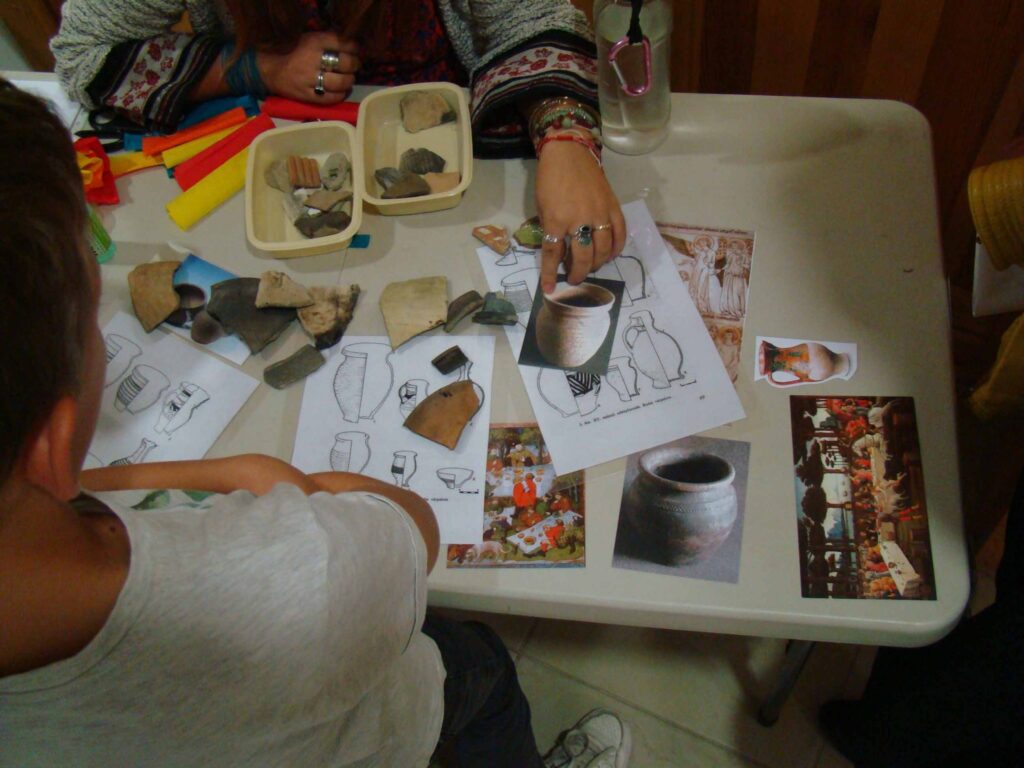
Archaeologist in Prehistoric Times (museum workshop)
Exploring the prehistoric history of the settlement and learning about, as well as trying out, the work of an archaeologist through group activities.
Development task:
Organizing learned knowledge around problem-centered themes; practicing the recognition of the connection between human actions and their consequences; narrating and acting out historical scenes from different perspectives; analyzing primary historical sources; visually representing historical topics; using the names of historical periods and eras; arranging chronological data; providing a comprehensive characterization and presentation of specific periods; and interpreting changes in historical spaces.
Related subject or area of learning: Human and Society, History, Visual Arts, Drama and Dance
Pannonia – The Carpathian Basin in Roman Times (múzeumi óra)
Lecture related to the history graduation exam topic on what the territory of our country and Matrica was like during the Roman conquest.
Development task:
Acquiring knowledge from various written sources, independently organizing and interpreting information, taking notes during lectures, arranging learned knowledge in a problem-centered way, practicing the recognition of the connection between human actions and their consequences, analyzing primary historical sources, creating flowcharts, writing essays on historical topics, using the names of historical periods, arranging chronological data, providing a complex characterization and presentation of a given era, interpreting changes in historical space, and analyzing the differing rhythms and interactions of world history, European history, and Hungarian history.
Related subject or field of knowledge: human and society, history, Hungarian language and literature, visual arts
Museum workshops at the Archaeological Park
The workshops (60 minutes) consist of playful or worksheet-based activities and hands-on crafts related to the earthwork fort, the burial mound field, the Bronze and Iron Age house and artifact replicas in the Archaeological Park, and the reconstructed environment.
CLOTHING
Stamping a cloth handkerchief
Using clay stamps, participants can imprint Bronze and Iron Age motifs onto fine linen.
Finger weaving
Using a simple technique, participants can make a colorful belt, bracelet, necklace, or headband from yarn.
Making a leather pouch or knife sheath
In making these items, participants can try out historical leatherworking techniques.
JEWELLERY
Chasing
Using the chasing technique, participants can decorate copper sheets with animal motifs from Iron Age vessels.
Making a bone pendant
From a small piece of bone, participants can shape a pendant by sanding and drilling with a bow drill.
Making metal jewelry
By bending copper wire, participants can make a bracelet, pendant, cloak pin, or ring.
Shaping animals and rattles from clay
They can learn to shape simple vessel replicas from clay.
POTTERY
Making a spoon or mug from clay, during which they can learn techniques for hand-building pottery without a wheel.
CONSTRUCTION
By making a braided and daubed fence model, participants can try out the materials and techniques of prehistoric house construction.
Making a model of a stone tool
Using stone flakes and retouching tools, participants shape a point or blade by knapping, which is then mounted on a wooden handle.
Human-Shaped Landscape – Prehistoric Obstacle Course
An exciting, interactive guided tour combined with two craft workshops, ending with a gift! During the obstacle course held in teams throughout the Park and inside the houses, participants solve tasks to discover the secrets hidden in the “prehistoric” houses, ovens, and graves!
Prehistoric “Monopoly”
In this “live” board game, participants can collect currency in teams, complete tasks at various locations, and finally “purchase” a house along with its furnishings.
„Matrica” Museum
Between November 1 and March 31!
Monday
10:00-14:00
Tuesday
10:00-14:00
Wednesday
10:00-14:00
Thursday
10:00-14:00
Friday
10:00-14:00
Saturday
Closed
Sunday
Closed
Archaeological Park
Between April 1. and October 31.